ARMAGEDDON
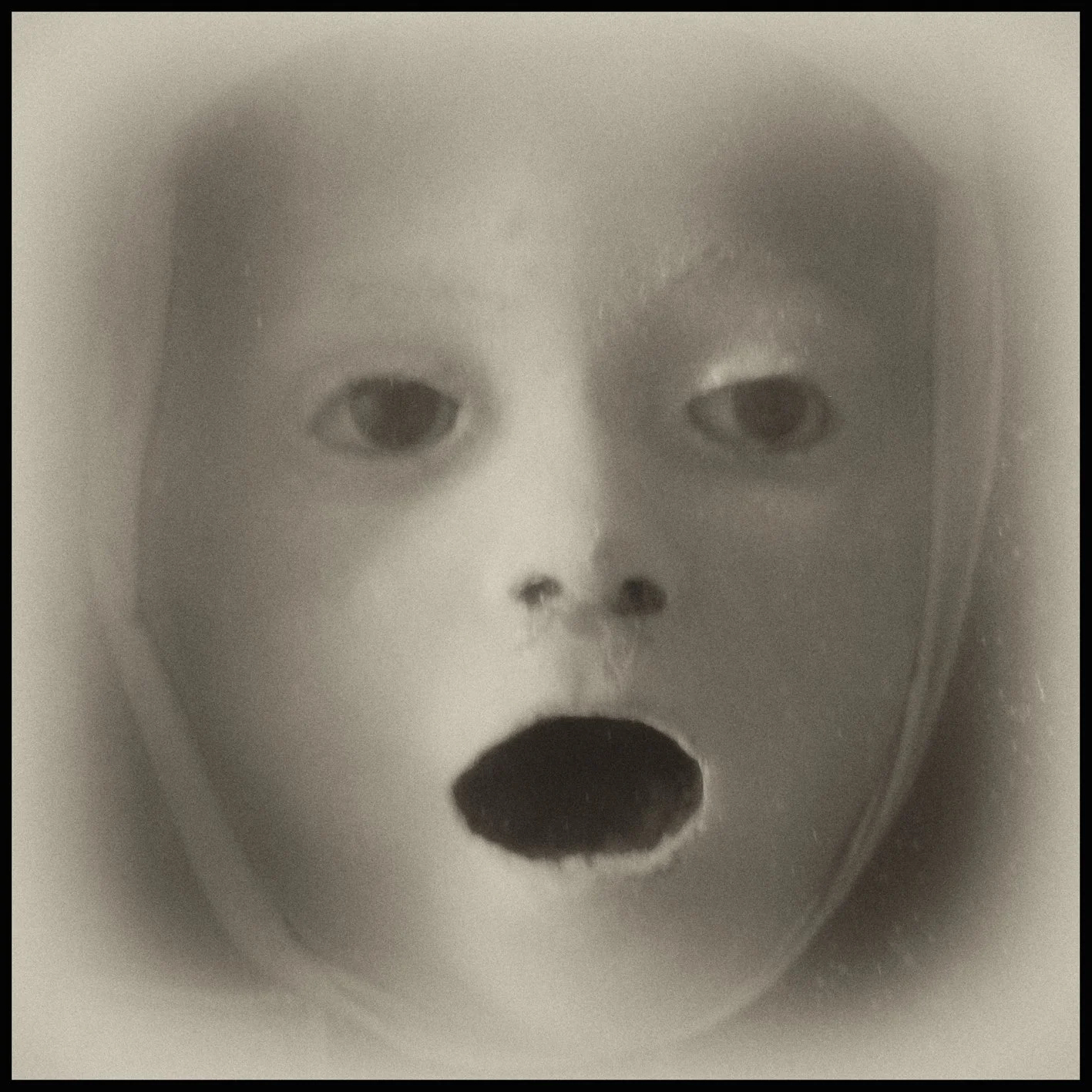
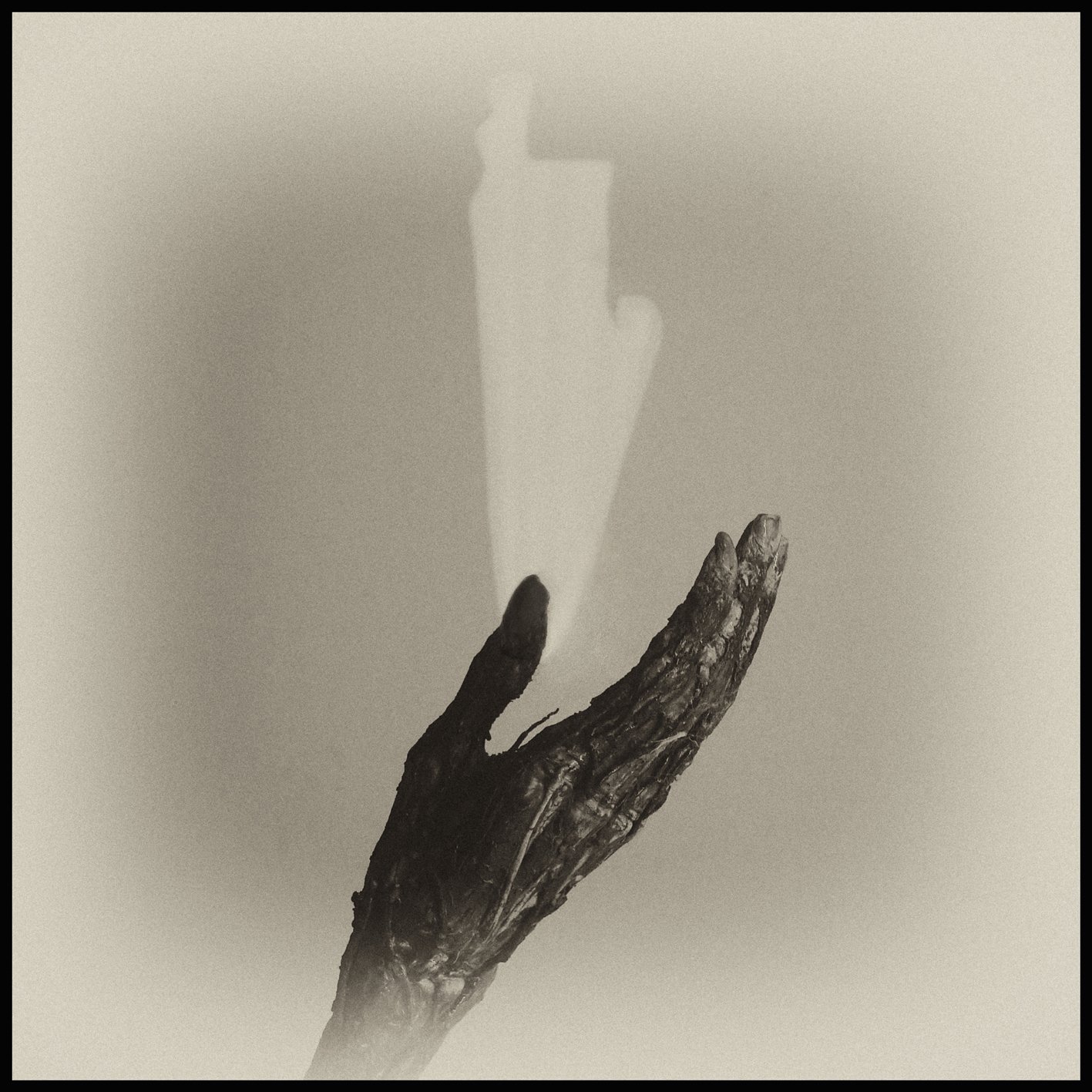
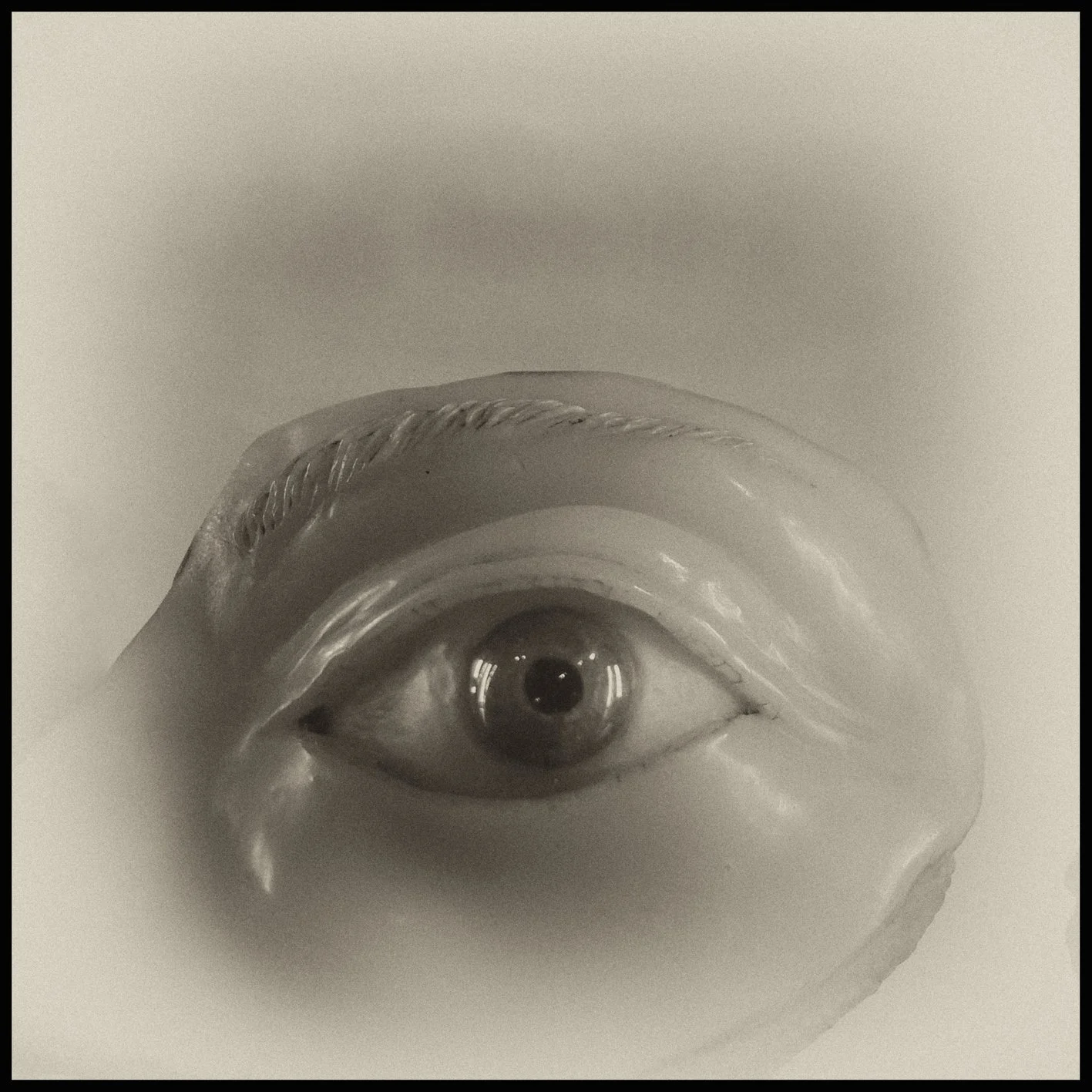
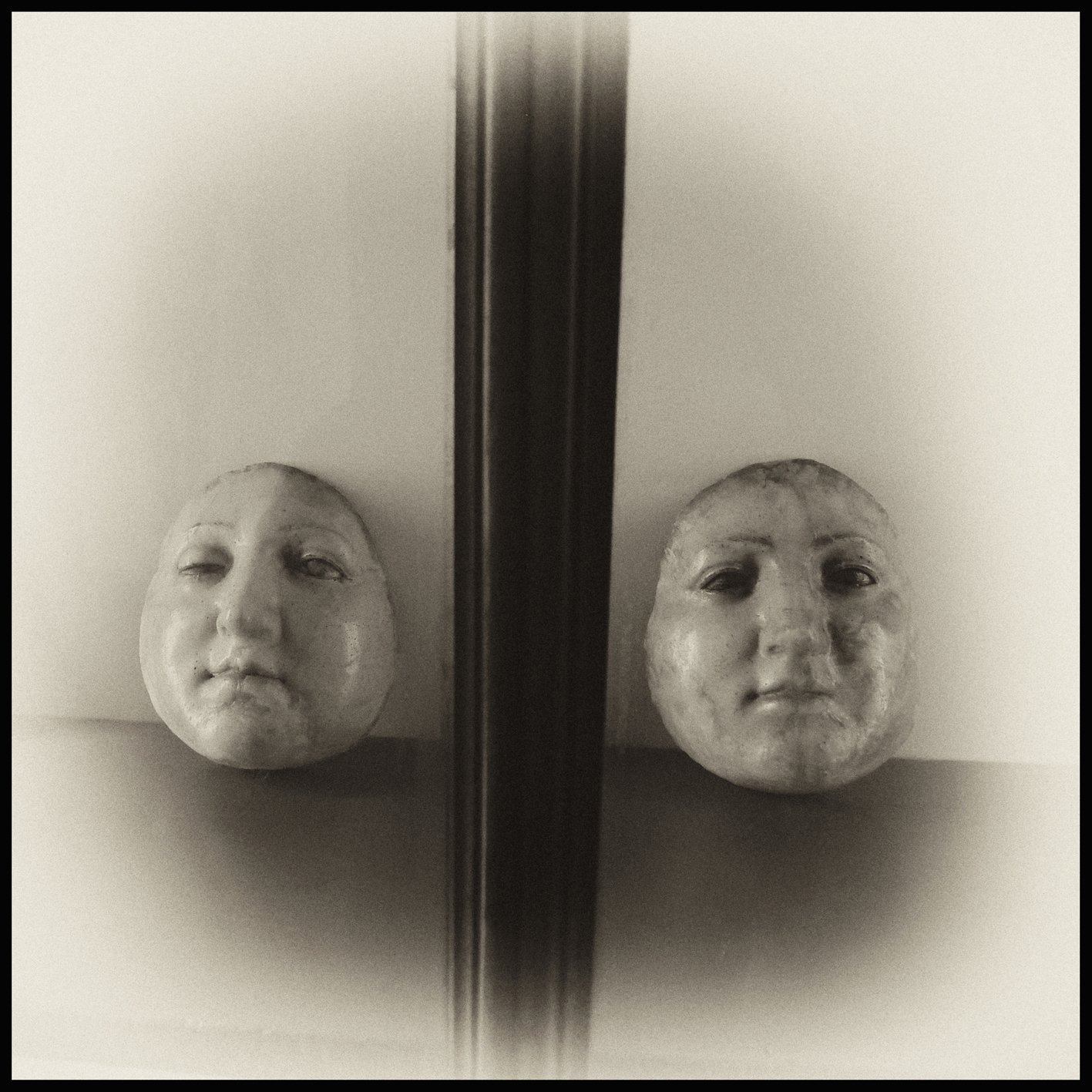
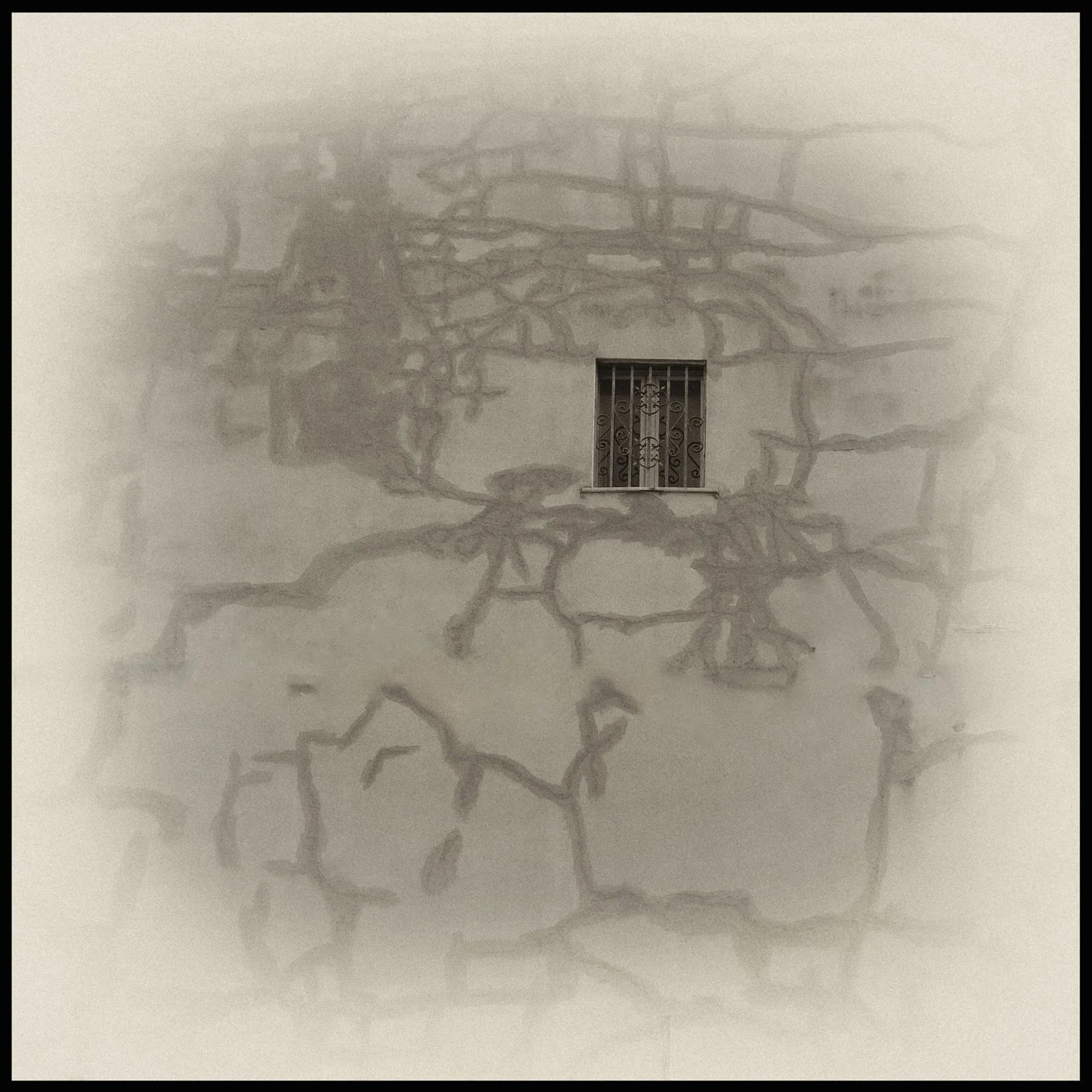
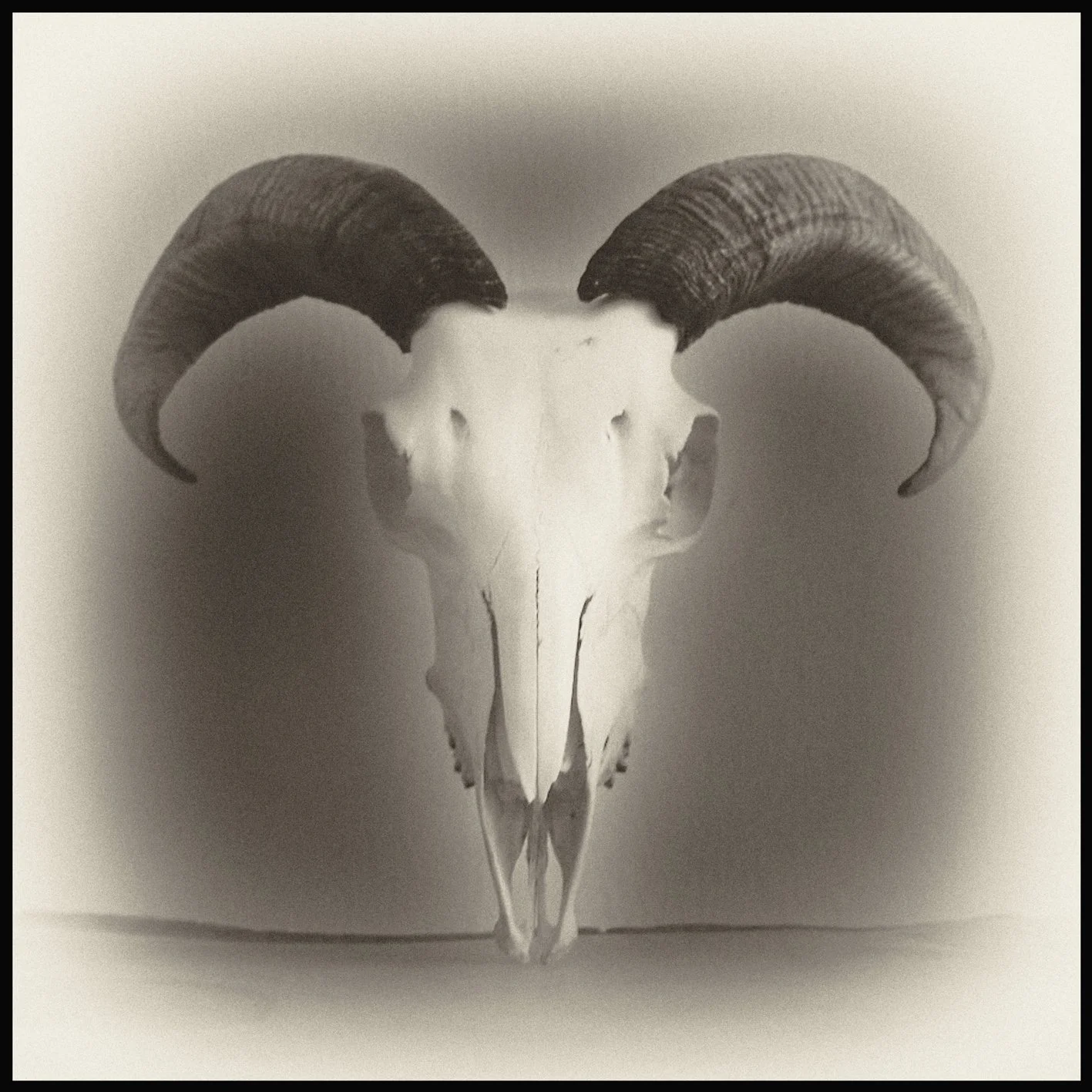
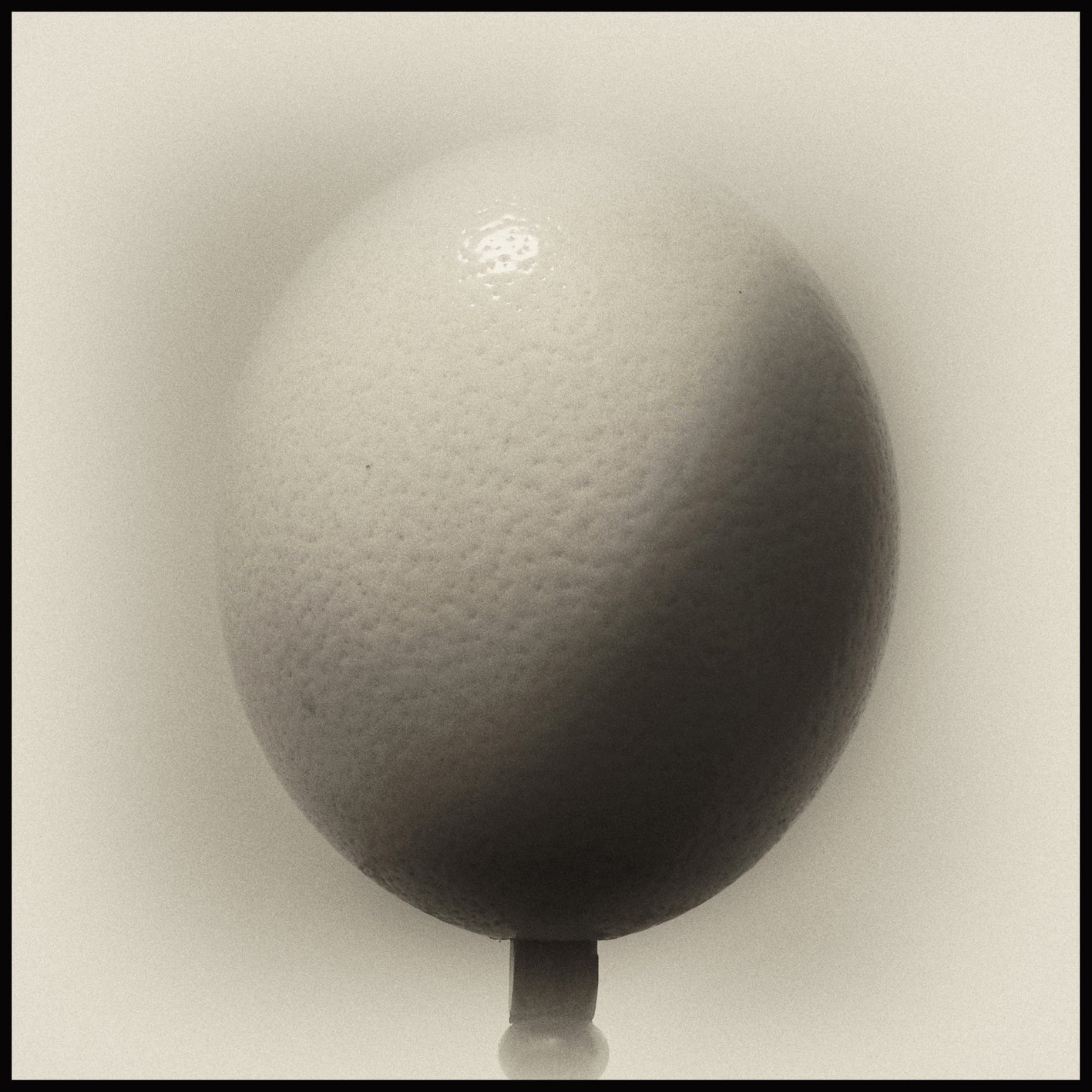
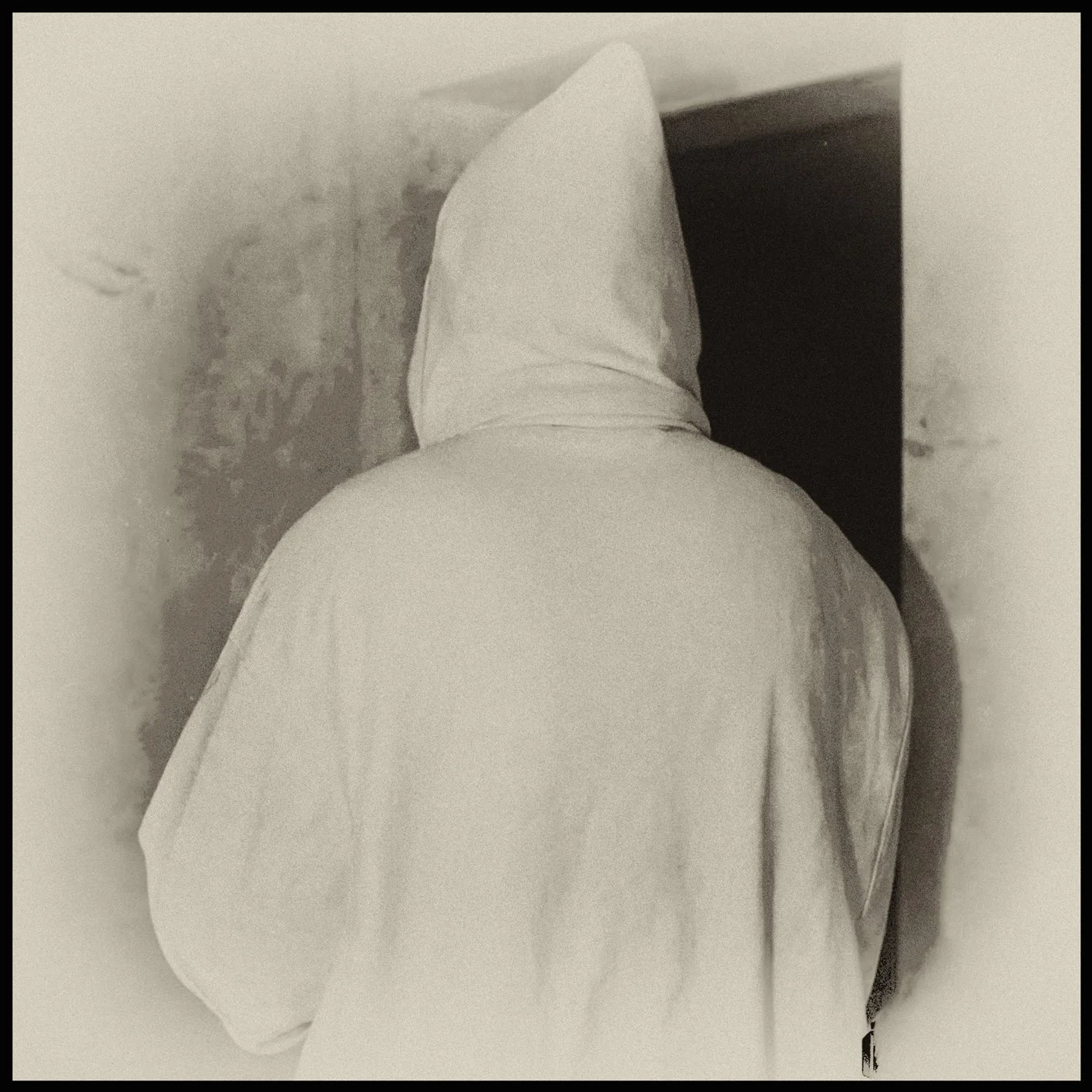
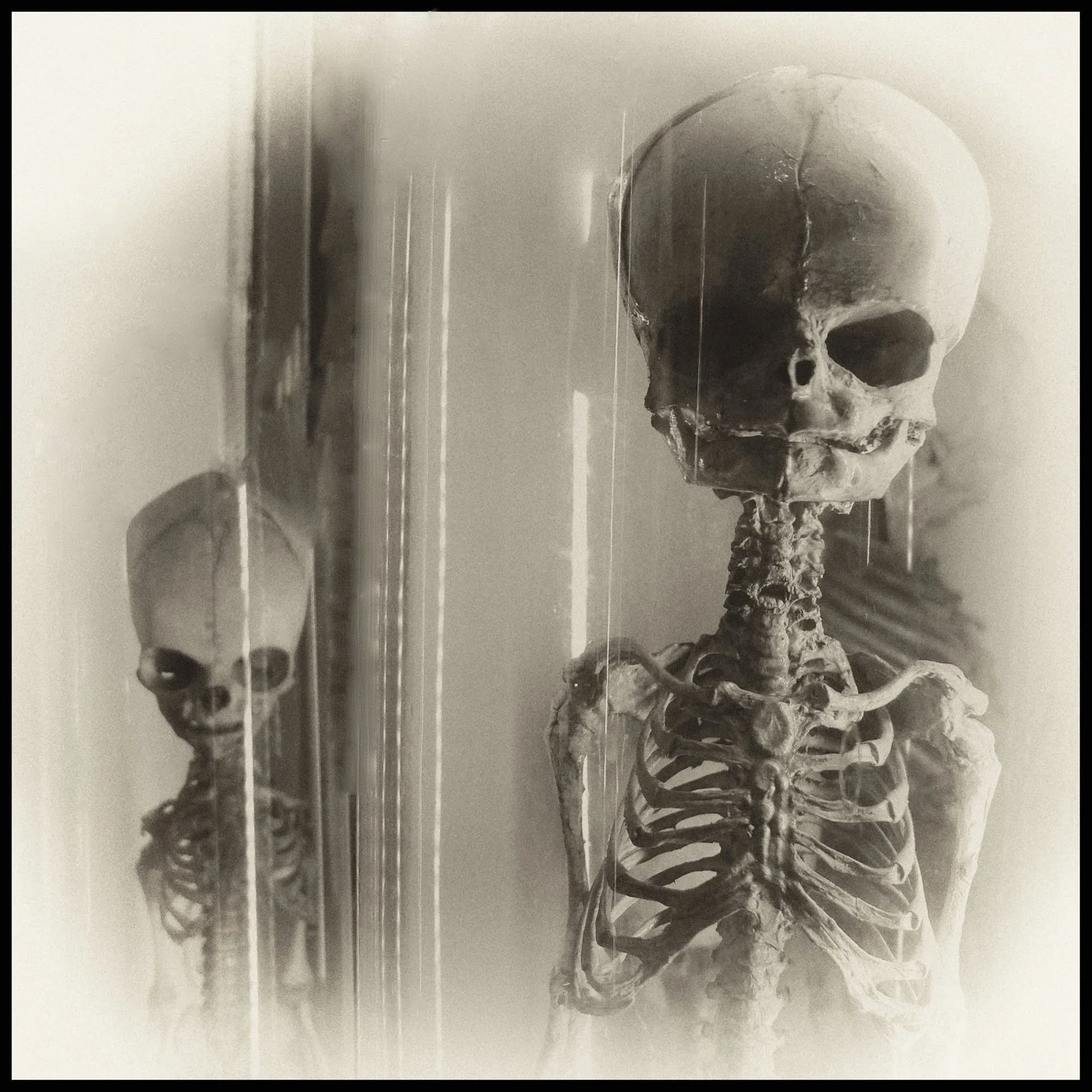
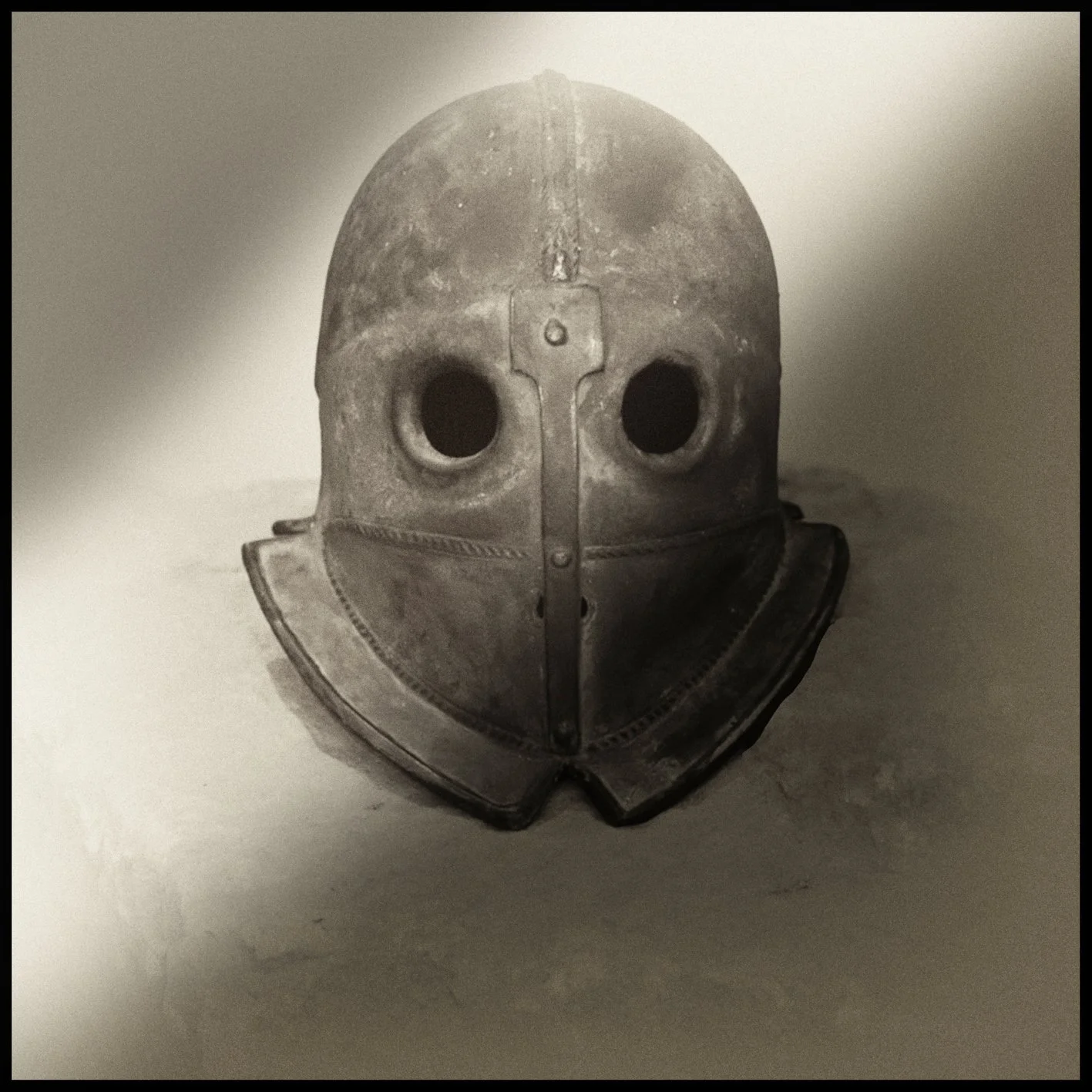
When photography moves into the metaphysical and the surreal, it can reach what the eye doesn’t see: the symbols and silences behind events. My latest photographs turn to the catastrophes of the two world wars. I wanted them to go past the act of taking pictures, toward the people who lived through those years and the inner lives history leaves unrecorded.
The scars of global conflict are visible everywhere. Less visible are the shadows and silences, the untold stories of those who suffered and those who fought. I use surreal elements to bring that pain into view, and with it a measure of hope. Every image carries symbols that recall the collective memory of war and ask each viewer to bring his or her own sense of suffering and rebirth. Form, composition, and light do the telling where the visible falls short.
The surreal enters when I distort reality until the image seems to rise out of a dream. The distortion doesn’t soften pain; it amplifies it, and the dreamlike scene, dense with hidden meaning, leads the viewer toward a deeper understanding. It also asks where memory ends and imagination begins.
These photographs aren’t meant as documents. They ask the viewer to look past the surface of images, to face the past, and to find meaning in beauty and pain held together. Through them, the millions of lives the wars ended or changed stay with us, and memory keeps its claim on how we look at the future.
Augusto De Luca
Artists & Writers in This Issue
| James J. Brewer | Augusto De Luca | Gareth Lee | John Menaghan | Hayeon U | Lynn White | Jianqing Zheng |
