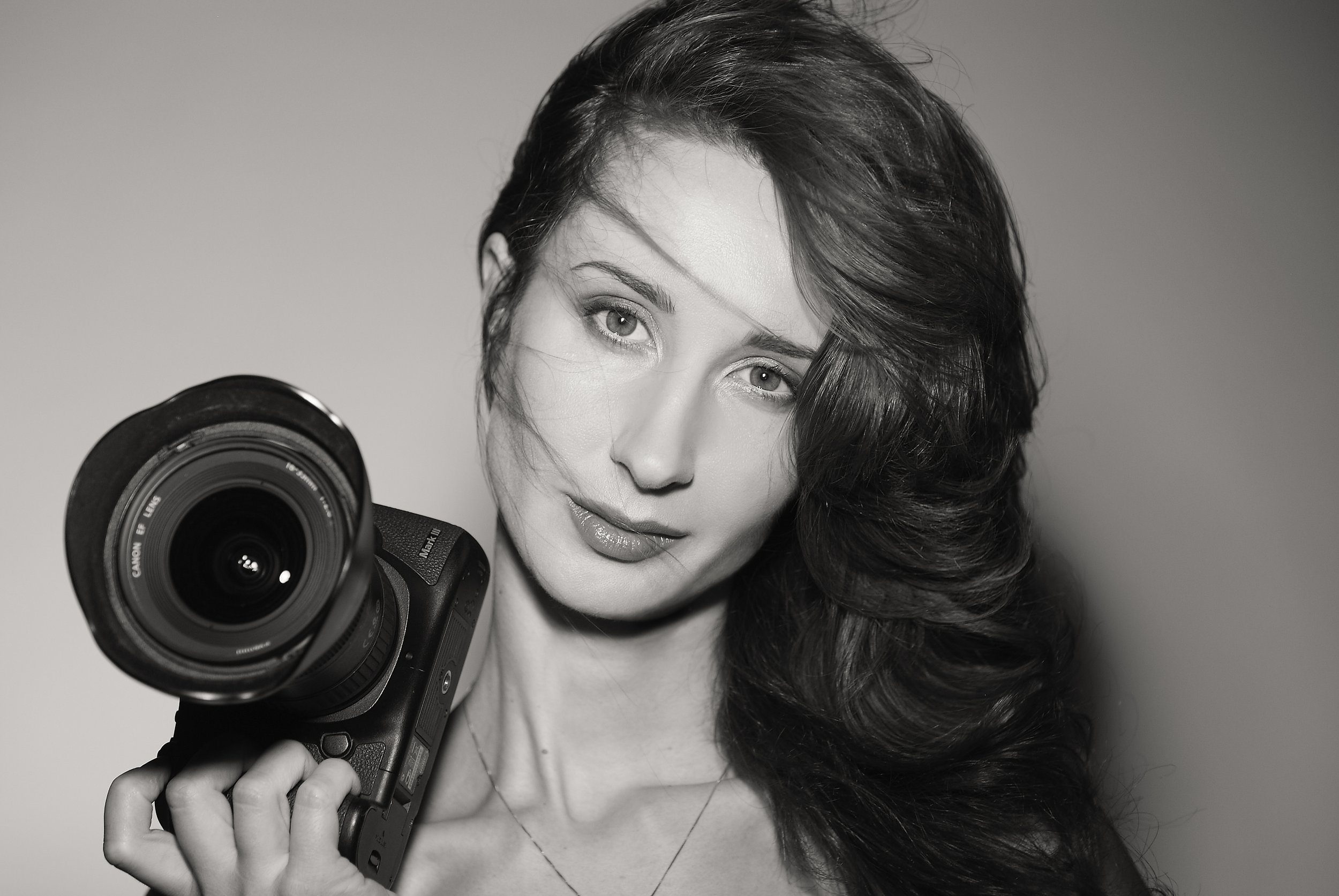
JULIA WIMMERLIN's work begins with an act of astonishment, and proceeds from there into fracture.
Born in Kyiv and now based in Switzerland, her path to photography was neither immediate nor inevitable. Trained in economics and shaped by a career in international marketing, she came to the image later, drawn first not by the desire to construct but by the need to hold. What she encountered, early on, was the simple and overwhelming fact that the world could appear with an intensity that exceeded language. Photography became, in her words, a way of preserving "a physical proof of fleeting beauty".
This initial gesture, of witnessing, of holding, would not remain stable.
Her early practice, rooted in travel, moved outward. It sought the world in its surfaces: light, color, atmosphere, the visible richness of place. Yet the upheavals of the early 2020s, the enforced stillness of the pandemic followed by the war in Ukraine, disrupted that outward gaze. The world could no longer be approached as something to be recorded. It became something to be rethought.
What followed was not a change of subject, but a change of condition.
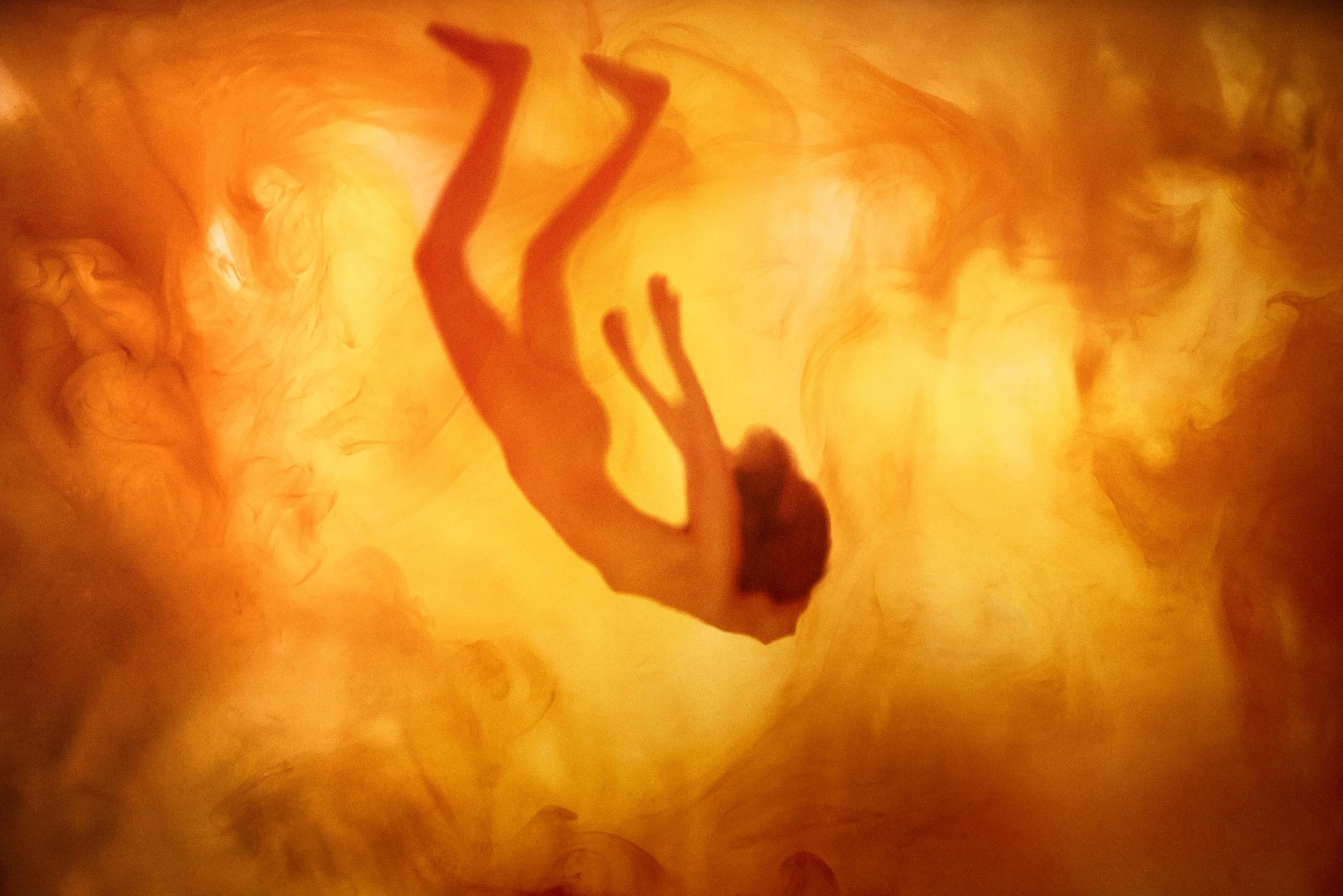
Wimmerlin's work turned inward, developing a visual language that is at once symbolic and constructed, where photography begins to approach painting, collage, and dream. In this space, the image is no longer a document but a site of negotiation. Memory fractures and reforms. Identity loosens and must be reassembled. The photograph ceases to describe the world and instead becomes a place in which the world is rebuilt.
At the center of this shift lies a more intimate rupture.
As a Russian-speaking Ukrainian, Wimmerlin came to recognize that language itself, what she had taken as natural, had been historically shaped, imposed, and, in part, taken from her. The project Stolen Language emerges from this realization, tracing the dissonance between speech and belonging, between what one carries and what one has inherited unknowingly. In relearning Ukrainian, she confronts not only a linguistic absence but a deformation of identity, one that extends beyond the personal into the cultural and historical.
Her images respond to this condition not by clarifying it, but by inhabiting it.
They move between figuration and abstraction, between the visible and the imagined. Bodies appear, but often as extensions of atmosphere. Landscapes dissolve into interior states. The image becomes porous, allowing the subconscious to enter, not as metaphor, but as structure. In this, her work aligns less with documentary traditions than with a lineage of artists for whom reality must be reconfigured in order to be seen at all.
What persists throughout is a tension between control and surrender.
Her compositions are precise, often meticulously staged, yet they resist closure. They don't settle into meaning. Instead, they hover between recognition and estrangement, between what can be named and what remains just beyond articulation.
If her early work sought to preserve what was about to disappear, her recent work begins from a different premise.
It assumes that something has already been lost.
And that the image, rather than recovering it, must learn how to live with that loss.
More of her work may be appreciated on her website and IG account.
Artists & Writers in This Issue
In alphabetical order by the first name
