Editorial, November 2025
Interiors
"The house shelters daydreaming." — Gaston Bachelard
"Return within yourself; in the inward man dwells truth." — Augustine
"Perhaps everything terrible is in its deepest being something helpless that wants help from us." — Rainer Maria Rilke
We call them interiors as if they were safe. Rooms, hearts, minds: the same word pretending to keep the world at bay. Yet nothing sealed ever stays still. Even the most private corners breathe with drafts. Light leaks in and memory seeps out. Inside is where silence grows loud, where thought finds its body and the body finds it cannot be thought away.
Philosophers once held that truth lives within us, that the soul is a room turned inward. But when we cross the threshold we find not stillness but a gathering of voices: desire, belief, guilt, tenderness, all speaking at once. The interior is not a refuge but an exposure. To go inward is to risk seeing oneself too clearly.
The artists and writers gathered here inhabit that tension between enclosure and revelation. Each turns the notion of within into testimony.
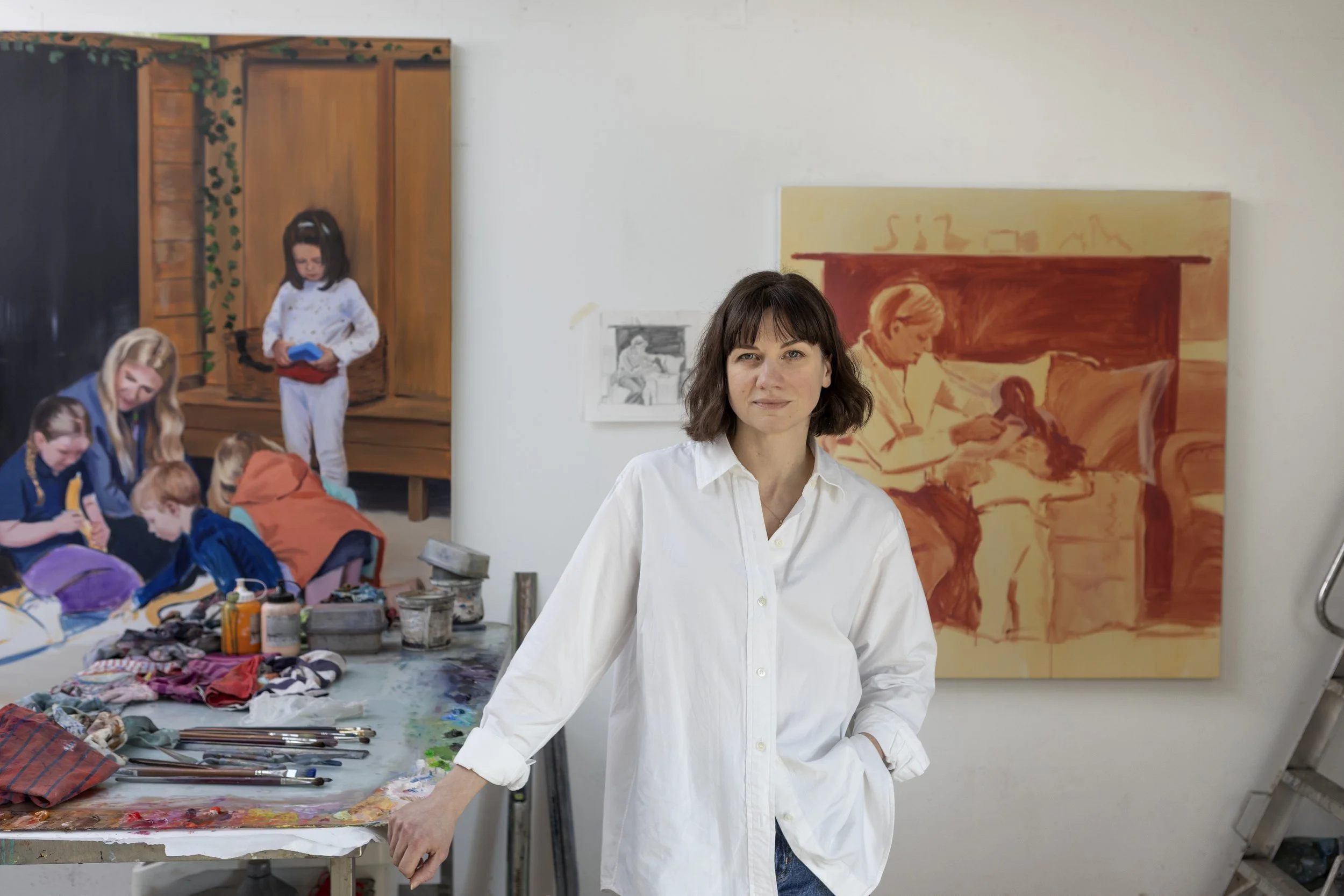
Caroline Walker offers the luminous architecture of everyday life: kitchens, bedrooms, glass corridors where women move through the routines of being seen. Her light is at once clinical and tender, exposing the quiet heroism of solitude.
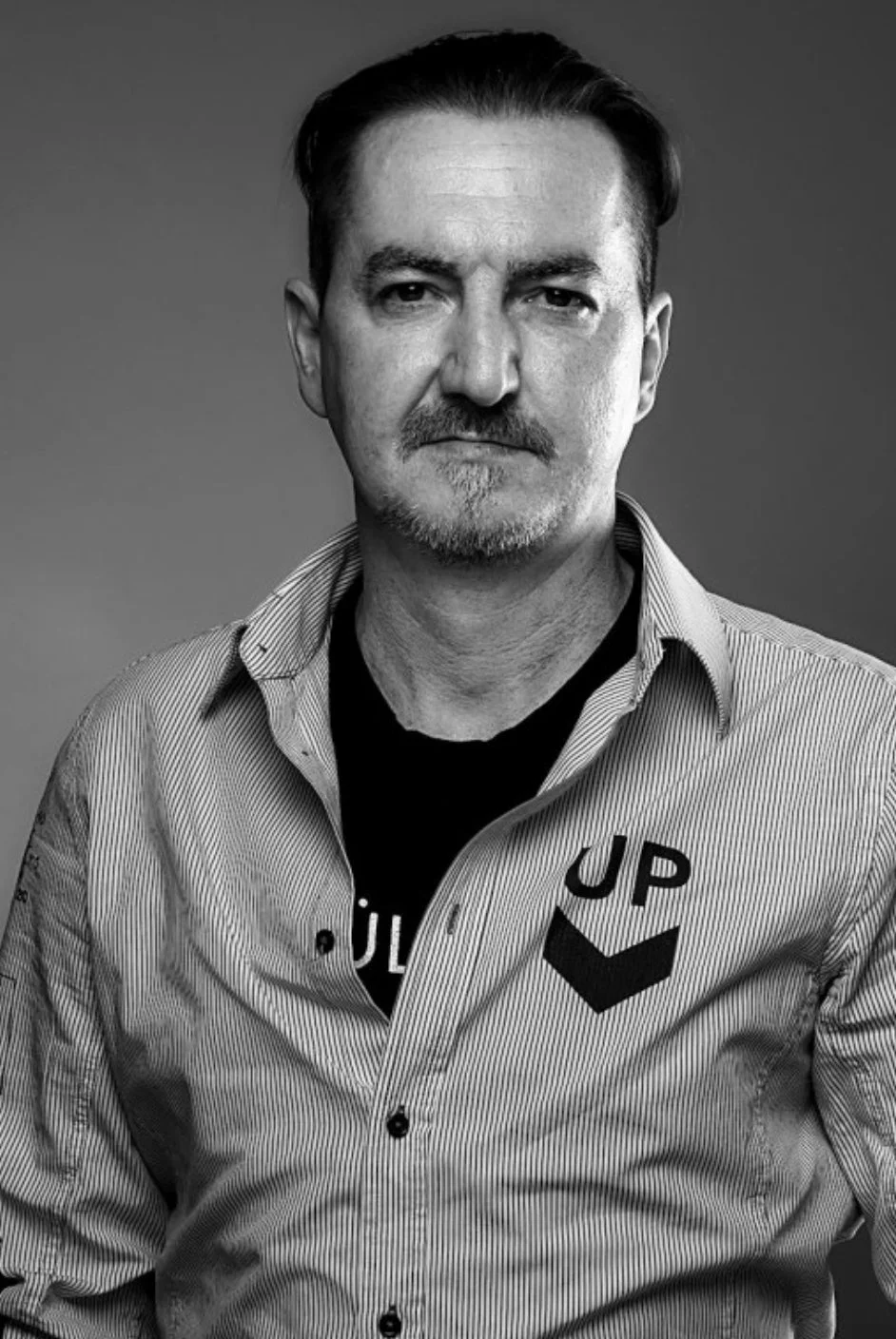
Marshall Arisman turns the gaze inward until it burns. His figures emerge from a collision of shadow and gold, at once animal, angel, and demon. The human form becomes a furnace of contradiction, where spirit consumes matter and matter gives it back.
Károly Lencsés, translated into English by Ágnes Megyeri, pares language to its pulse. His poems are small interiors built of breath, where silence does the work of confession. Each line seems to wait for the next, as one heartbeat waits for another.
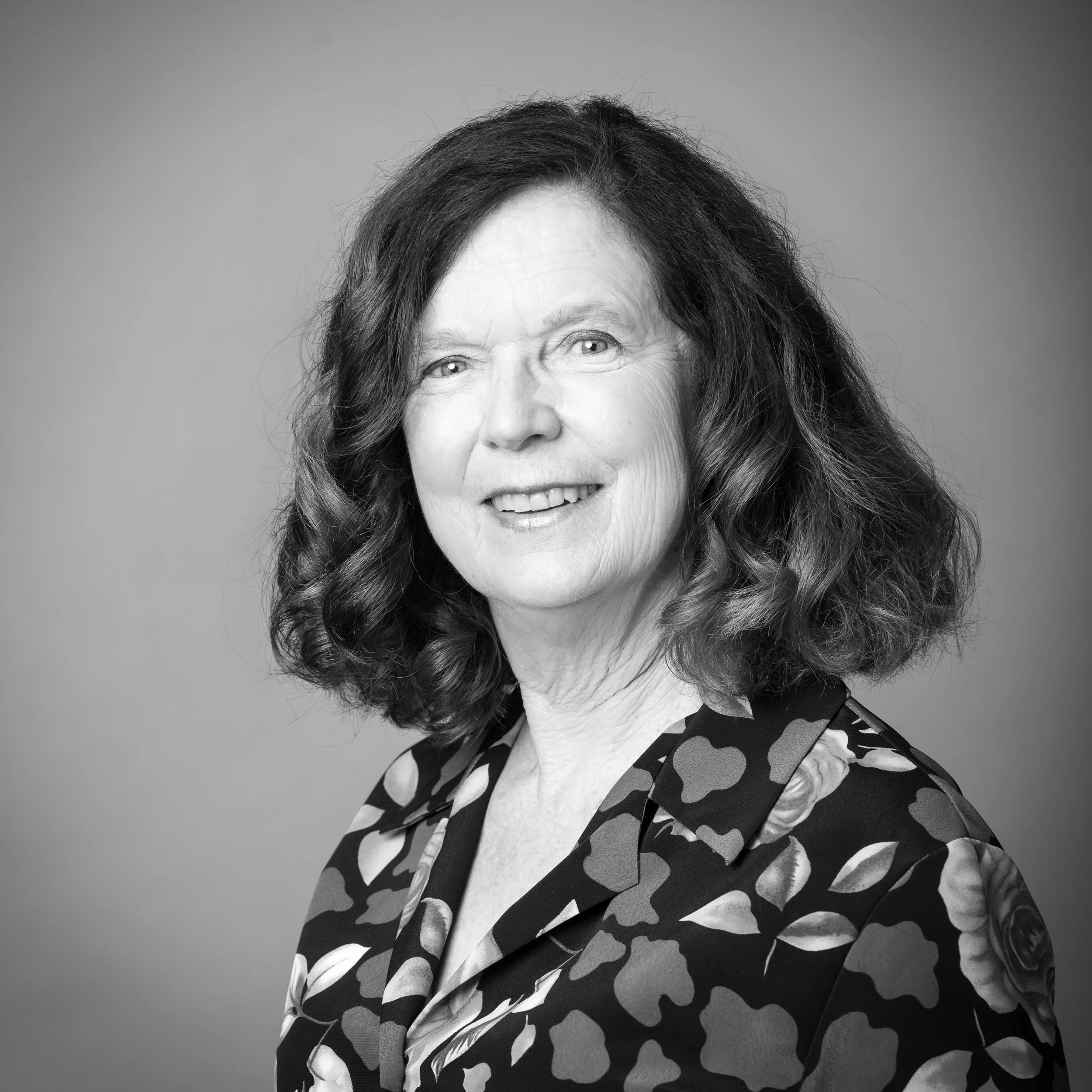
Mary Lewis, in A Frog Girl, writes of submersion. A boy meets a girl who surfaces from the river like an apparition, her body at once human and elemental. Beneath the water, weight vanishes, and what remains is the question of freedom. Her story turns transformation into something closer to ordeal than to grace.
Michael Loyd Gray, in The Tire Guy, brings us into the intimate labor of a man caught between work, loss, and revelation. What begins in routine, the changing of a tire, the ordinary transactions of a day, becomes a meditation on grief and the quiet dignity of change.
Hanyin Xu, in her reflections on urban art and identity, reminds us that interiors need not be bounded by walls. The city itself becomes a living interior, a shared consciousness written in paint, gesture, and collective memory. Her research traces how graffiti and public muralism turn facades into mirrors of belonging, where private longing meets public language. Every surface that bears an image or a name becomes a threshold, a negotiation between what we reveal and what we protect.
All of them walk through the rooms of human consciousness: the ones we inherit, the ones we build, and the ones we cannot leave.
Perhaps this is what The Pasticheur seeks each month, not only the beauty of surfaces but the trembling depth beneath them. The interior is where art begins, not as ornament but as listening, where the image remembers its origin and the reader remembers that seeing is an act of care. To look inward is to confront the unfinished architecture of being human. To publish is to hold a light to that space and let others find their own reflections there, uncertain, luminous, and alive.
In the quiet of every room, something is always trying to speak.
– Jorge R. G. Sagastume, Editor-in-Chief
This Issue’s Contributors, in Alphabetical Order