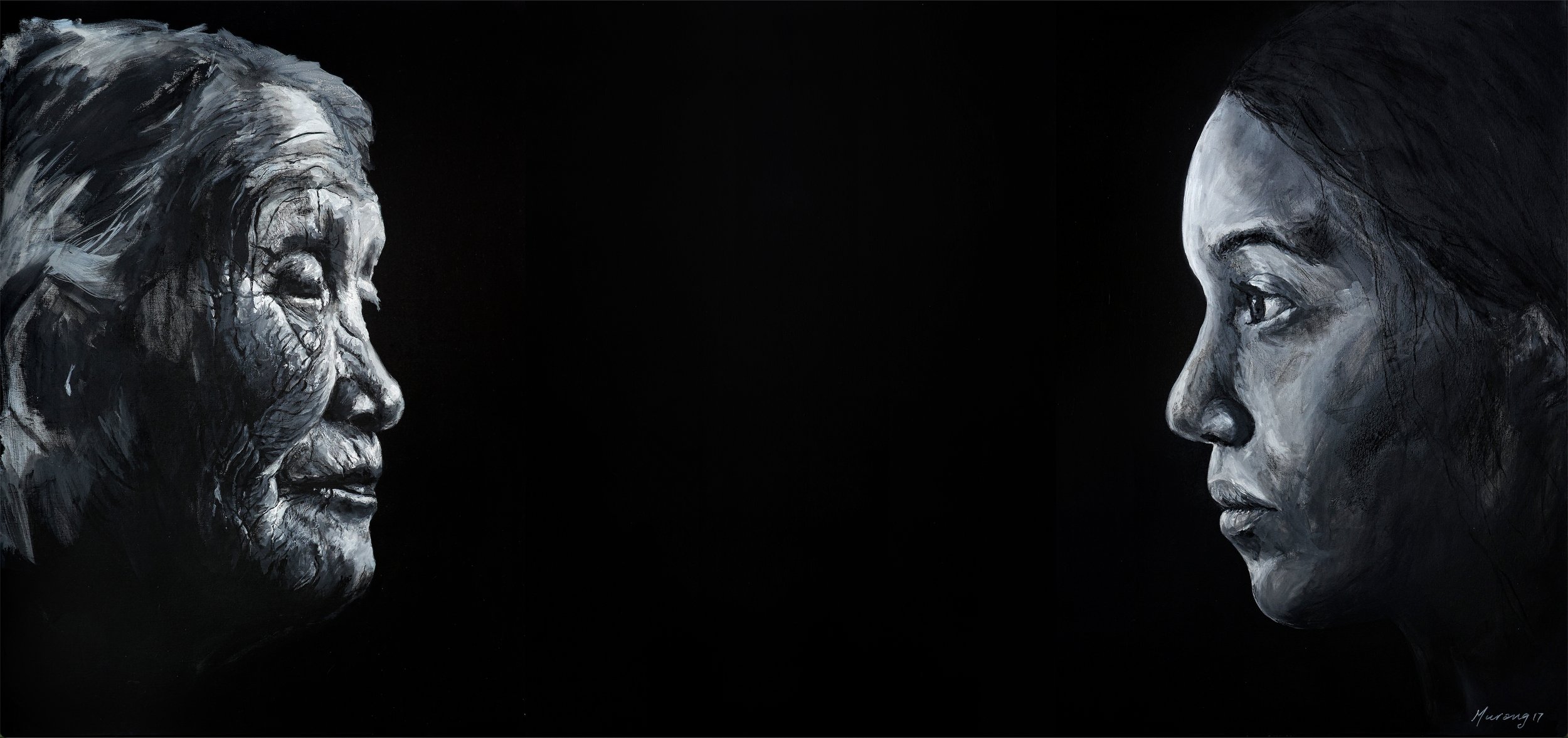
The Winds of Others
"Each soul is a lantern carried across endless roads; it burns not alone but by the winds of others." — Mahadevi Varma (महादेवी वर्मा)
Since I have been able to reason, I have lived in the zone of the displaced. My first language was not that of my land, nor were the home and culture that nourished me in body and mind.
I recall sitting cross-legged on the ground, forming a circle on the first day of kindergarten. The teacher spoke to me, but I did not understand a word she said, and the other children laughed. I think it was then that I decided I must belong, and did everything I could to fit the norm. But I misunderstood the norm too, shaped as I was by the echoes of another language, another rhythm.
I immersed myself in the language of the majority and tried to forget my own. Yet something always pulled me toward the lives of those who did not quite belong either. I sought other cultures, other religions, other ways of speaking and being. I chose a profession believing I would find a place where difference was richness, where the desire to understand the Other was a shared pursuit.
I spoke out. I asked questions. And still, my background stood as an invisible wall to understanding.
Decades have passed. Now I think it is all right not to fully understand, as long as we are willing to accept that "the winds of others" are lanterns we too can learn from. As the Indian sociologist and feminist philosopher Sharmila Rege wrote, "Our words are born at the intersection of memory and resistance. To speak is to weave the self from the tatters given to us by others".
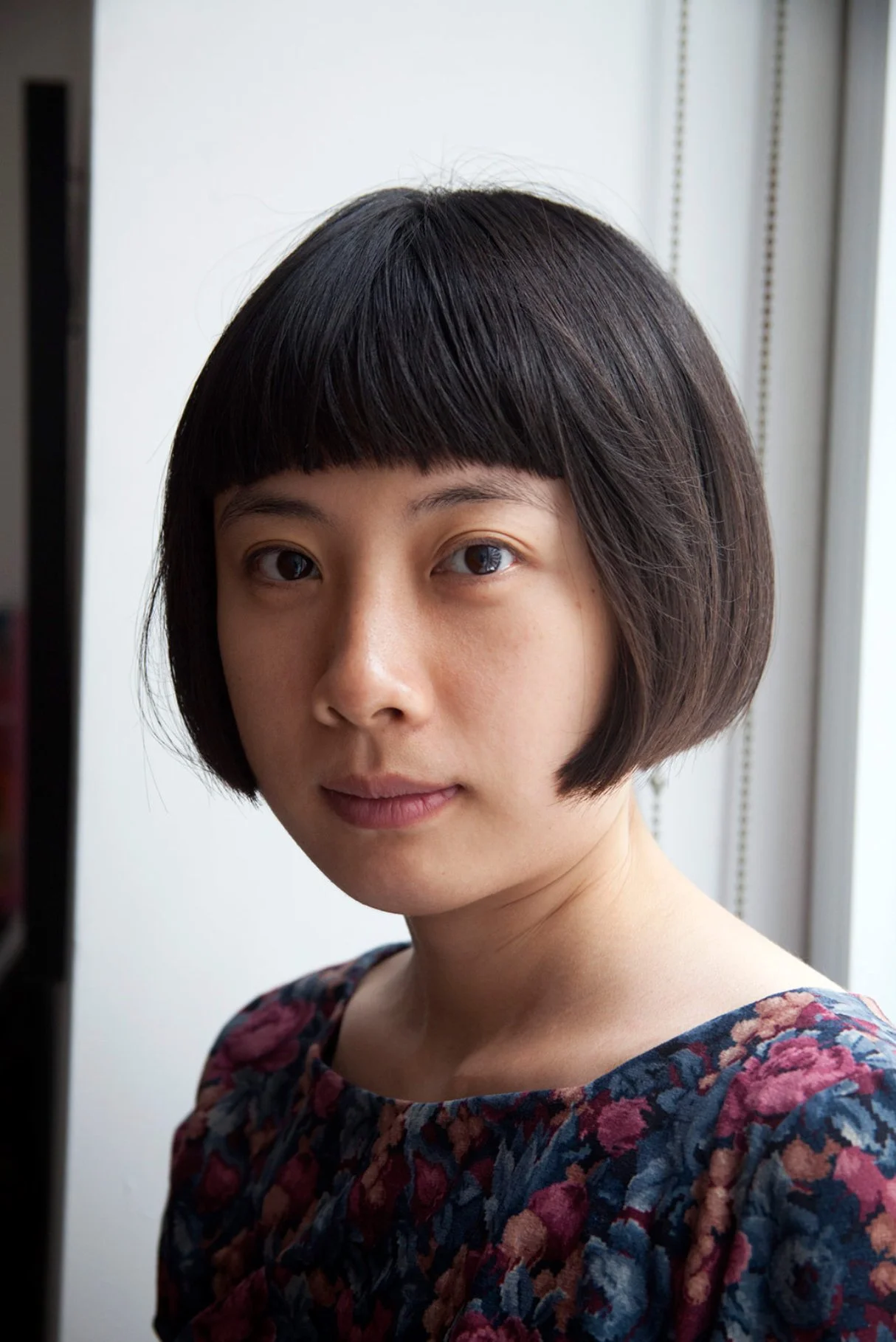
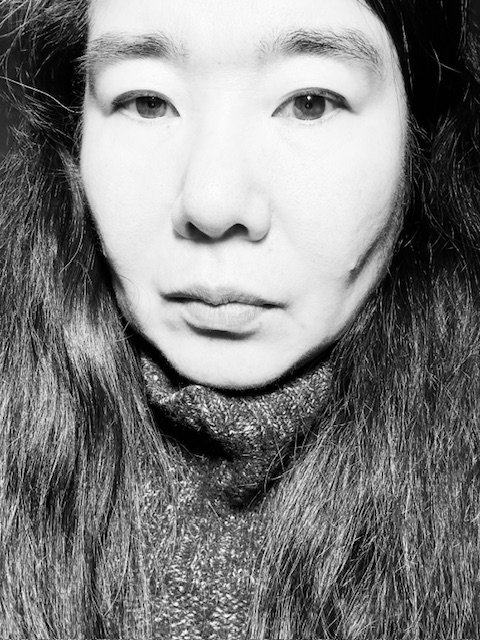
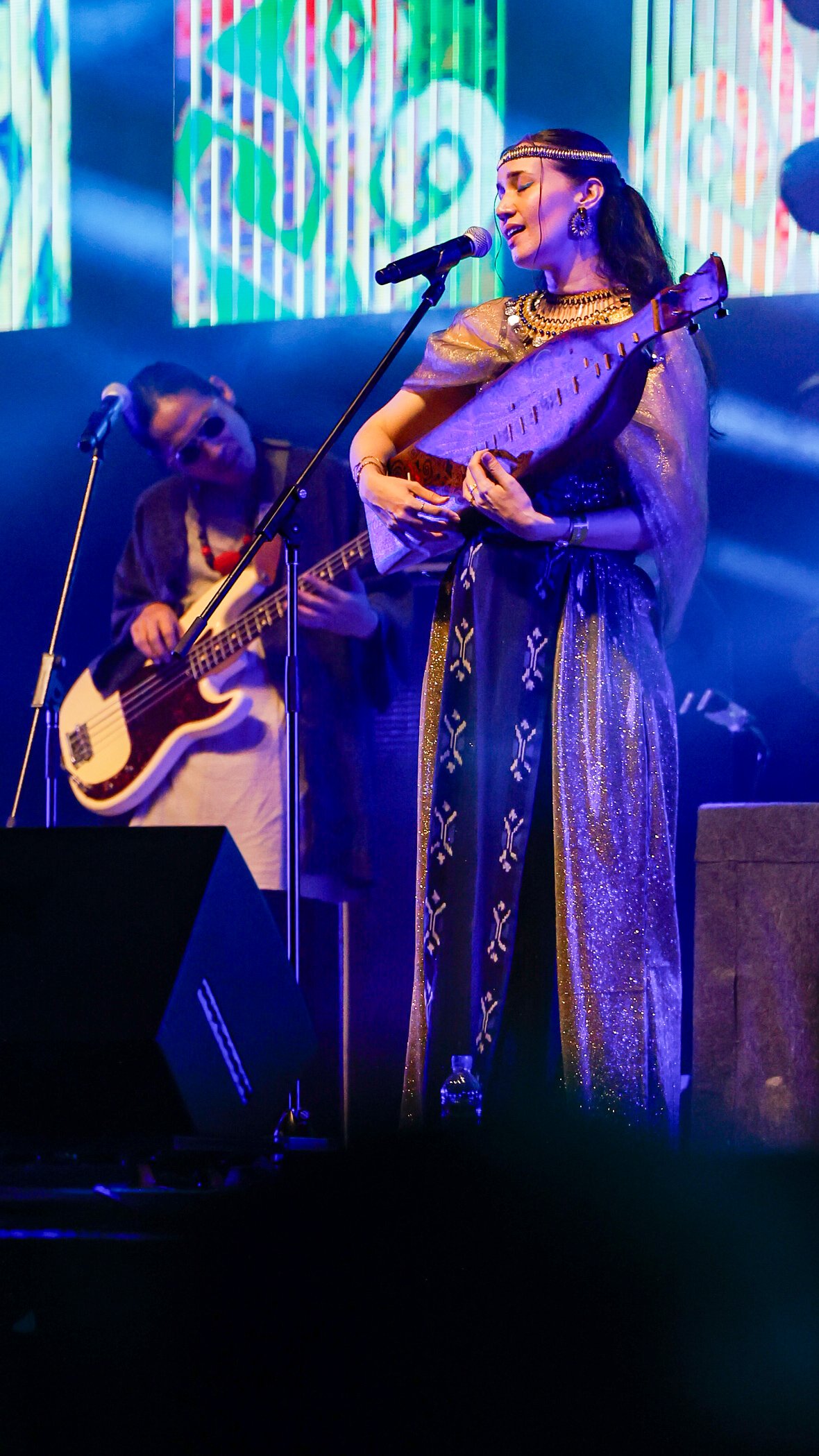
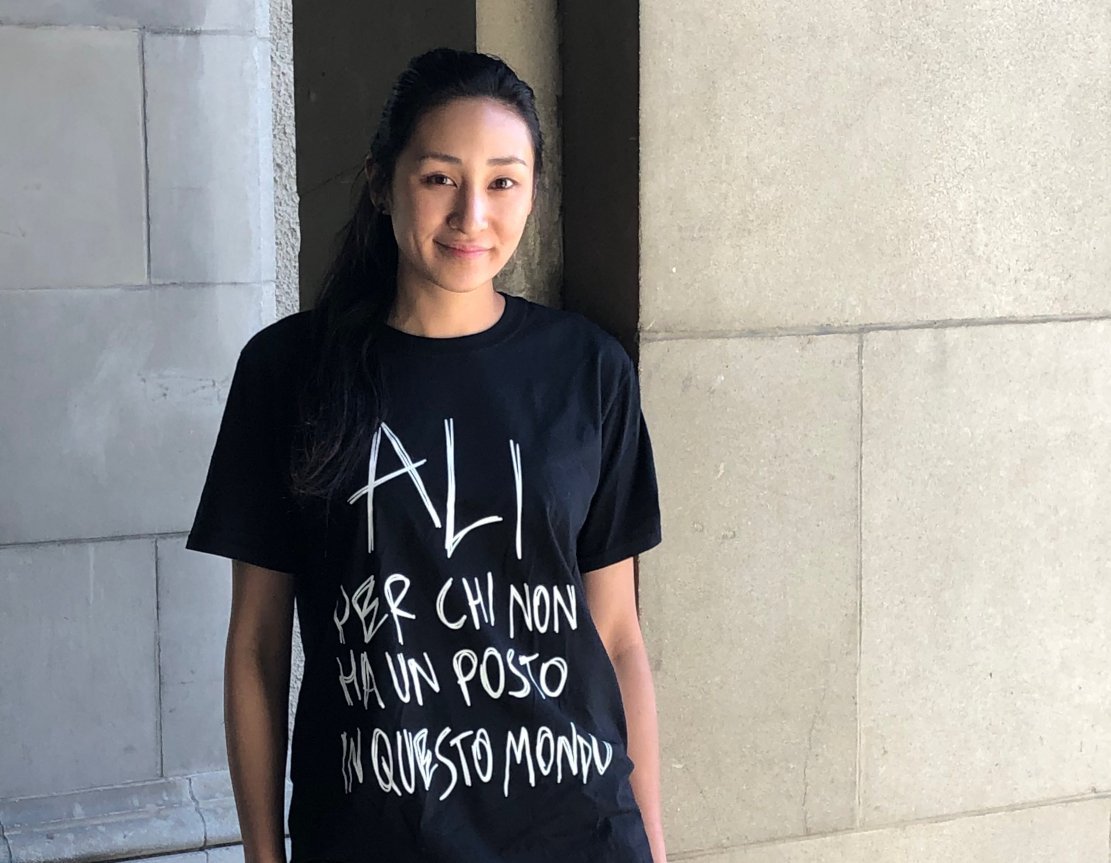
It is from this place of weaving that this special issue of The Pasticheur was born, an issue dedicated to female artists and writers of Asian descent and origin.
Why focus on these women? Because they are different from me, and because through their difference they offer a mirror, not separation, one in which humanity appears larger, not smaller. Because encountering their work makes my vision of the world richer and more alive.
Each woman featured here, from the United States, Iran, Malaysia, Singapore, Vietnam, Japan, China, Sri Lanka, and beyond, carries in her work the luminous tension of being neither one thing nor another. They move between languages, traditions, and histories. They claim transition as expansion, not loss. They resist the demand to simplify, to explain, to stand still, and choose movement instead.
It is here, in the space of thresholds and hybridities, of dissonances and silent dialogues, that imagination breathes most fiercely. "What is important is not what is said, but what is implied", Jun'ichirō Tanizaki writes. The works published here do not shout slogans. They hum, they crack, they gather, they withhold, and in withholding they open.
Art and literature may not overthrow systems overnight, but they do something just as vital: they refuse erasure. They refuse the violence of homogeneity and of easy certainty. They insist on complexity, on nuance, on the work of seeing, listening, reading, and tasting. "Art is our weapon. Culture is a form of resistance", writes Shirin Neshat, and that resistance reaches past political oppression across nations and institutions, into the slow deadening of the human spirit itself.
The Pasticheur, in its third year, in its childhood if you will, chooses to grow among diverse voices. We begin by gathering in one issue a chorus of women who, at a glance, may seem alike, but are not. They have not been flattened by the politics of assumption. They have remained luminous, plural, in motion.
May we move with them.
Jorge R. G. Sagastume
Editor-in-Chief
Artists
(in alphabetical order)