Editorial
On Originality
I recently spent five weeks in Andalusia teaching a summer course and taking students on excursions to places where multiple identities fuse. The Mezquita in Córdoba, for example, seems to have been a Hispano-Roman temple built over a Visigothic basilica. Later it became a mosque, and finally a Catholic cathedral. It is a single place that holds the seeds of centuries of different identities, each building on the one before.
Sadly, that rebuilding involved invasion and displacement, dehumanization and slavery. But culture cannot be erased unless its language is removed. The builders reused what was there, and the architects designed by drawing from others, copying, imitating, mixing, blending, sometimes sharply contrasting.
What I will say next is obvious, but worth saying. The same holds for every artistic endeavor: there is no genius who creates something wholly unique. Take René Magritte, to name one. He did not work in a vacuum but among others, Dalí, Arp, Ernst, Miró, Picabia, Picasso. They shared ideas and philosophies, talked, commented on each other's work, imitated one another, combined what they saw, and fought and envied. They did not arrive at something unique; they shaped their work by being informed by everything and everyone who preceded them, and by those they met in their own time.
Some artists are more creative than others. Some know better how to promote their work. Some are more fortunate and become well known.
It is also possible that some borrow knowingly, but most artists create without being fully aware of where their pieces come from. Their creativity lets them compose something they can call their own, be it sculpture, music, literature, film, photography, or painting.
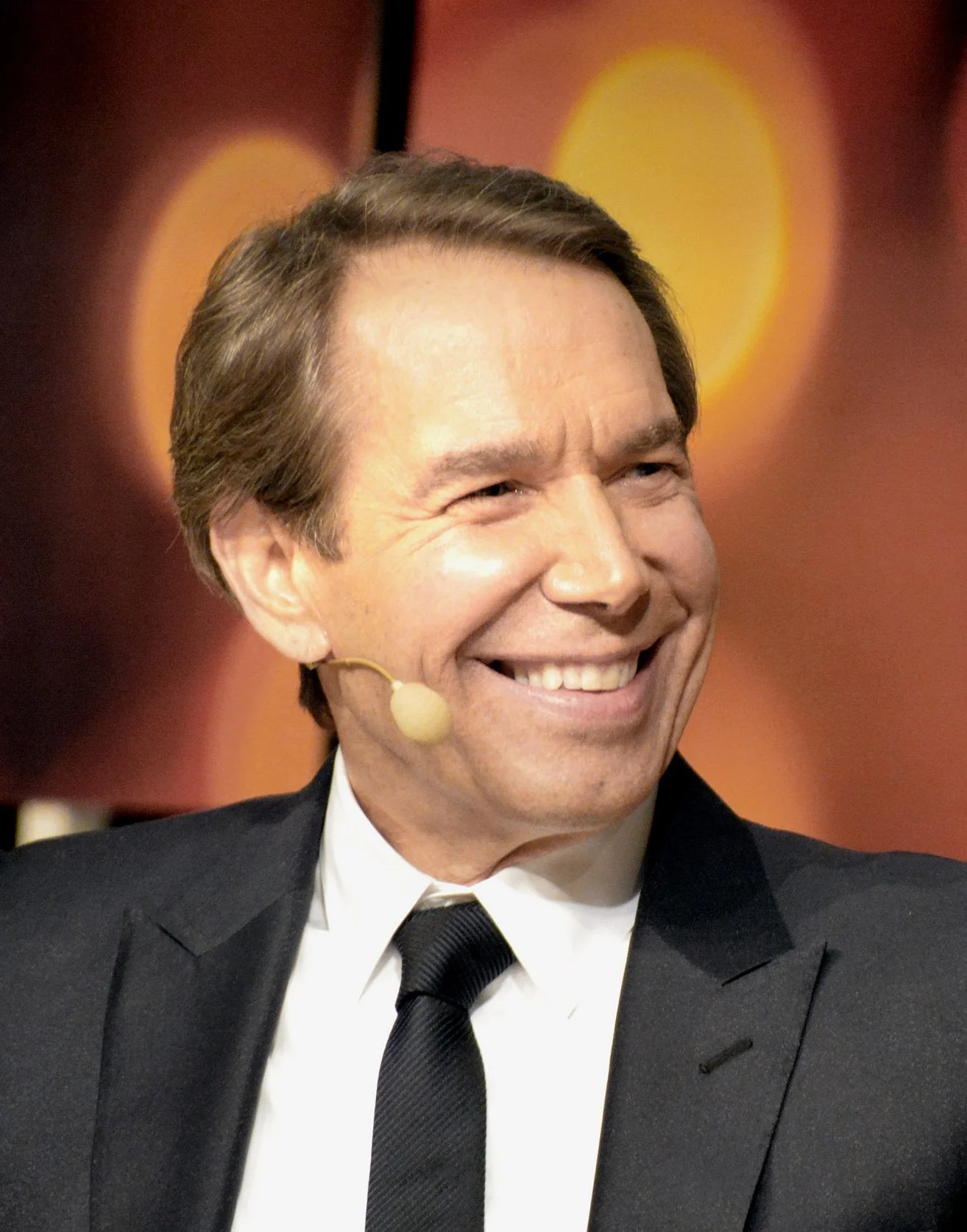
Take Jeff Koons, who graciously illustrates this issue of The Pasticheur. He departs from other works openly, not hiding them but exalting them. He establishes an explicit dialogue with other artists, and he also employs assistants whom he consults on specific works and who help him build the pieces.
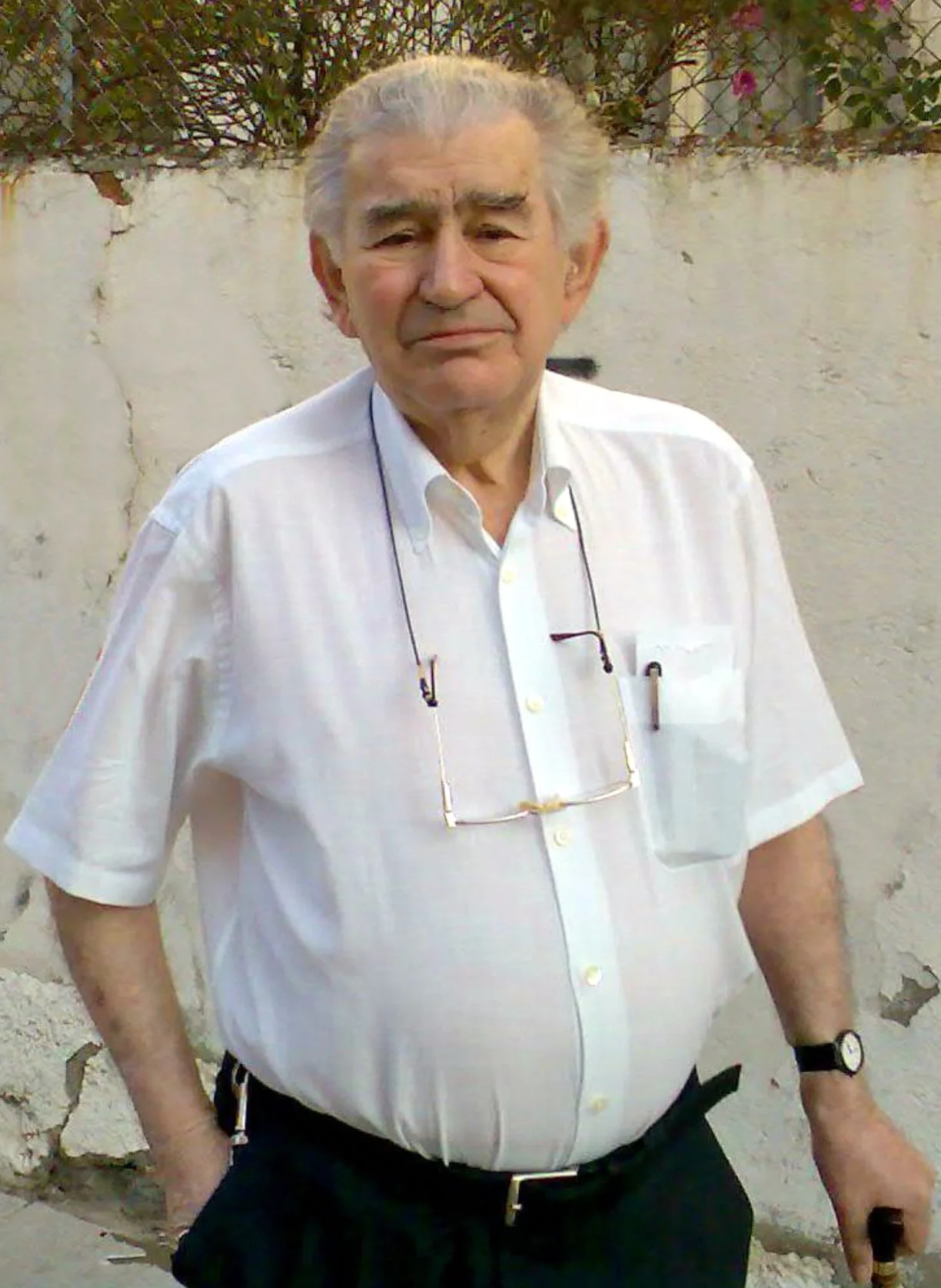
Antonio Gamoneda, the writer featured in this issue, is a different case, a very private artist all his life. Drawing on history, philosophy, literature, and nature, he makes a deeply self-reflecting work through which he implicitly shares the lives of others with the reader.
But what is art if it does not help an audience reflect on itself? At the personal level, were I asked "Who are you?", before answering I would need to walk the length of my mind and recall every detail of my past life: readings, paintings, films, sculptures, people, places, languages, teachers, every conversation. And I would also need to know the life history of everyone I had encountered, in person or on the page. I would need a perfect memory, and I would need to be immortal; recalling every detail of my own life alone would take sixty years. But the act of recalling would shape me into a different self, and I would have to begin again, except that this time it would take twice as long, and so on, ad infinitum.
We draw, knowingly and unknowingly, on centuries of collective cultures building upon one another. We are a pastiche of everything we have ever lived, a pastiche that is constantly changing. If we think carefully, we realize that we are all pasticheurs.
There is no genius, just as there is no single, fixed self; but the way we arrange the pastiches may produce something we can call art.
Jorge R. G. Sagastume, Editor
This Issue’s Contibutors
-
![]()
Antonio Gammoneda
-
![]()
Jeff Koons
-
![]()
Sven Pfrommer
-
![]()
Journey Gong