Editorial
On the Ever-Present Now
Memory is a defect some of us come with from the manufacturer. Would it not be nice to be like Funes the Memorious, burdened by everything yet able to recall it all with perfect clarity? Or is it better to have no memory and live always in the here and now?
From a young age I have been drawn to the metaphysical. I explored different religions, and that fascination eventually led me to literature and philosophy. It is how I stumbled upon Taoism and began reading the Tao Te Ching, a text that has since become a quiet companion in my reflections on life and art. Taoism explores principles like harmony, simplicity, and the art of living in alignment with the Tao, often translated as "the Way" or "the Path". Rather than prescribing rigid doctrine, it offers an intuitive approach to life, one that values spontaneity and a graceful acceptance of life's rhythms and mysteries.
One of the most intriguing concepts in the Tao Te Ching is wú wéi (无为), often translated as "non-action" or "effortless action". The idea does not mean inaction; it suggests a way of moving through life that aligns with circumstances instead of forcing outcomes. Laozi often turns to nature for the figure: just as water flows around obstacles without losing its essence or its path, we too are encouraged to live with a similar fluidity, responding to life without undue resistance.
The Tao teaches that the present moment is the only true reality; the past is gone, and the future is unknown. In embracing the present, one finds a fuller, more authentic existence, unbound by memory's weight or the anxieties of what is to come. This resonates with today's emphasis on "mindfulness", though Taoism understood it centuries ago. Yet even if we do not dwell on the past, each present moment accumulates, layering into the person we become and shaping how we meet what comes next. Art and literature, to me, embody this ever-present now. They ask us to look, to read, and to experience them at least twice, and to let ourselves be surprised by the obvious.
Seen this way, art becomes more than expression; it becomes a practice in acceptance, a way of finding inner peace through observation and participation. It is in this spirit that I present five artists, each with a distinct voice that explores and questions the purpose of art and literature within our shared human experience.
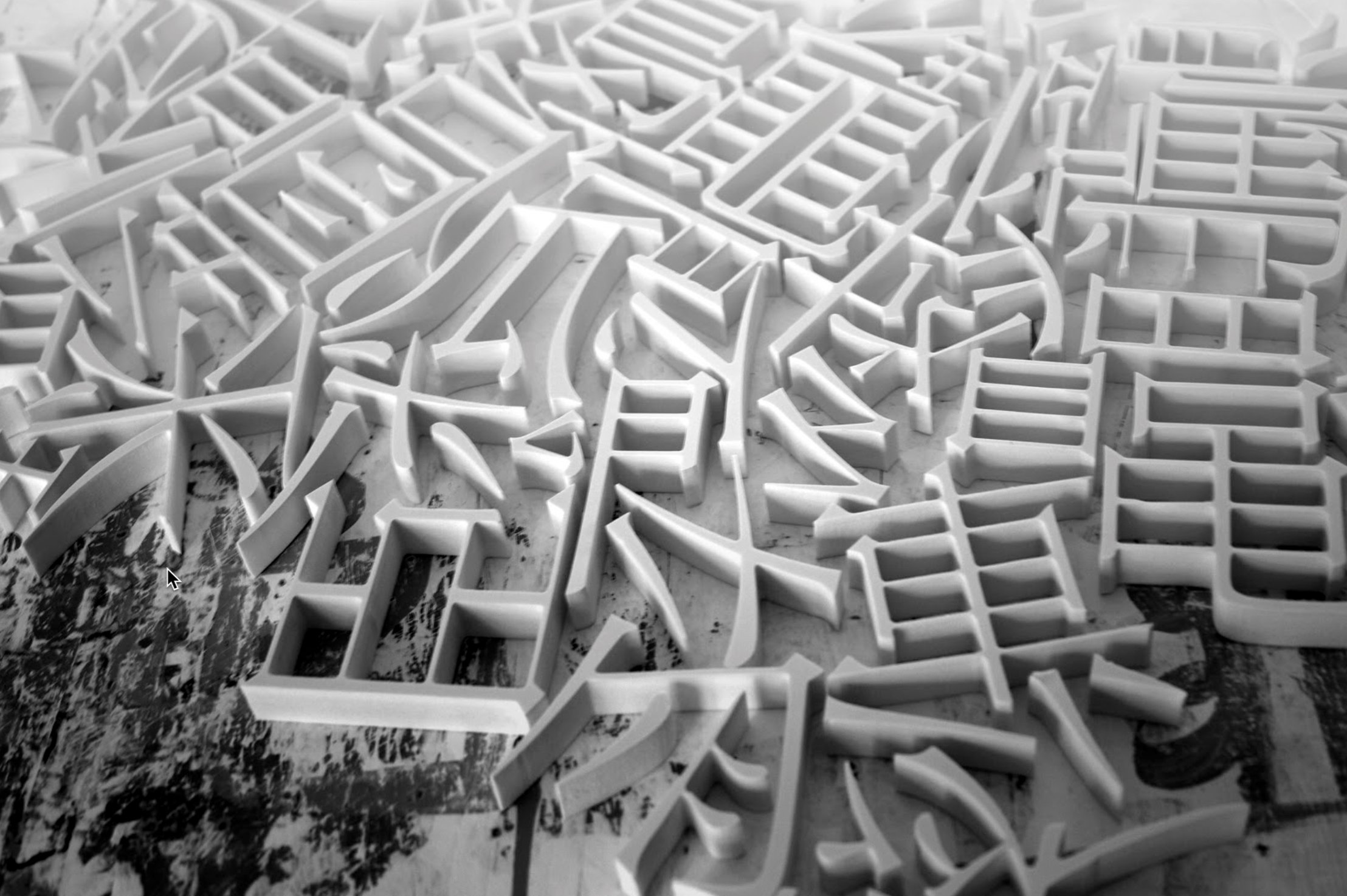
John Chang, a young Chinese artist, works in calligraphy. In China, calligraphy, or Shūfǎ (书法), goes beyond writing to become a spiritual and philosophical practice. Rooted in Taoist and Confucian tradition, it asks for harmony, balance, and self-discipline, requiring that one align one's energy, or qi (气), with a harmonious flow. The brushstroke records the artist's state of mind, whether balanced, calm, or forceful. To master calligraphy is to master oneself. I cannot say whether this is John's specific aim, but I like to read it so, believing that art, at its best, serves a purpose; without one, it risks becoming mere aesthetic exercise.
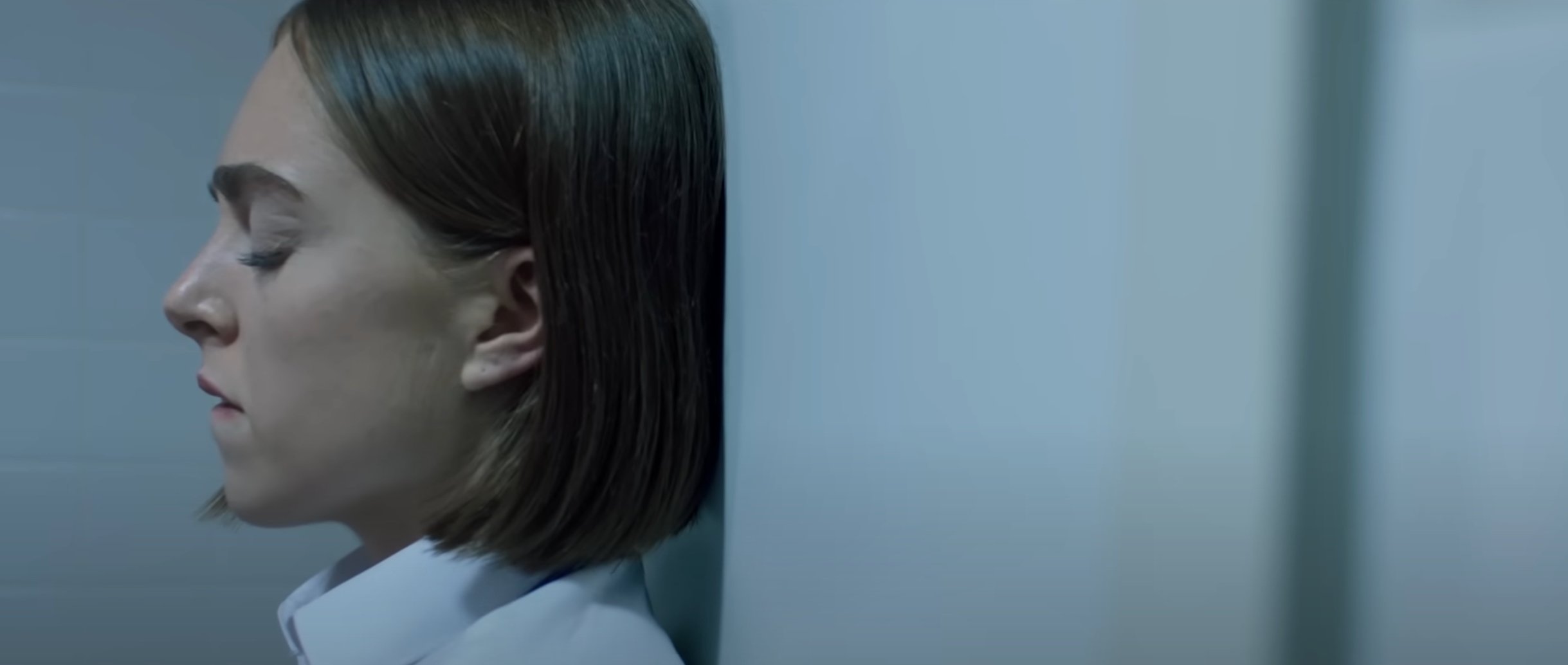
Turning to other forms, scriptwriting, directing, and acting, I am equally honored to feature Louisa Connolly-Burnham, an English filmmaker whose debut short, The Call Centre, appears in this issue. Her work captures the complexities of life, motivation, and ethics, raising questions about choices that serve not only the self but the community. Louisa's film reminds me that our decisions are shaped by the struggle to live fully in the present, to know how to act in the face of uncertainty.
The Indian poet Vandana Kumar also brings me back to the present: "Seven years ago / Sits on my present / Like time sitting on the sting of a bee / On both sides of my exposed arms / In a sleeveless floral dress". Her lines linger like an echo, a testament to how memory intertwines with the now. The Italian artist Stefano Questorio, working in experimental photography with expired Polaroid film, challenges our assumptions about what is "instant" and what is "expired", pushing me to see those categories as arbitrary and incomplete.
Lastly, Alessandro Carrera, an Italian literary critic and poet, invites me to question the very notion of trust. In one poem he writes, "I am your pilot. / You know, sometimes I don't know who I am. / But you, who are you? Why are you here? / Where do you think you're going? / What do you think you're doing? / I am still your pilot". His words stay with me as a reminder that what we say, think, and do inevitably shapes those around us.
This editorial is not meant to influence our readers. It is an invitation to reflect, to question, and perhaps to find a moment of stillness amid the stories.
Jorge R. G. Sagastume, Editor
This Issue’s Artists