Editorial
On the Modest and Secret Complexity
One of my favorite writers was fond of saying that all writers are baroque, vainly so, in the beginning. As the years pass, and if the stars align, they may achieve not simplicity, which anyone can reach, but a modest and secret complexity.
Fine art, fine-art photography, and the short film are no different from creative writing. They are another form of writing, another text, and to stand apart, as with writing, they must achieve that modest and secret complexity.
But why must it be secret? It is telling that the word "complexity" is intimately related to another, "complicity", which nowadays carries a faint negativity, as "secret" does. I would like to discuss that relation briefly, to show how complexity in art leads unavoidably to complicity. The first word comes from the Latin complexus, joining the prefix com-, "all together", and plexus, folded or intertwined; the second comes from Middle English complice, from Old French, itself derived from the same complexus. Suppose, then, that "complexity" and "complicity" are accomplices. It follows that a work of art must become an accomplice with its audience; without that complicity the work is insipid. And I stress that the complicity must hold between the recipient and the work, not its maker.
It gives me pleasure to introduce the work of seven outstanding artists. Some are well known; we hope the others will become so, because their work stands apart.
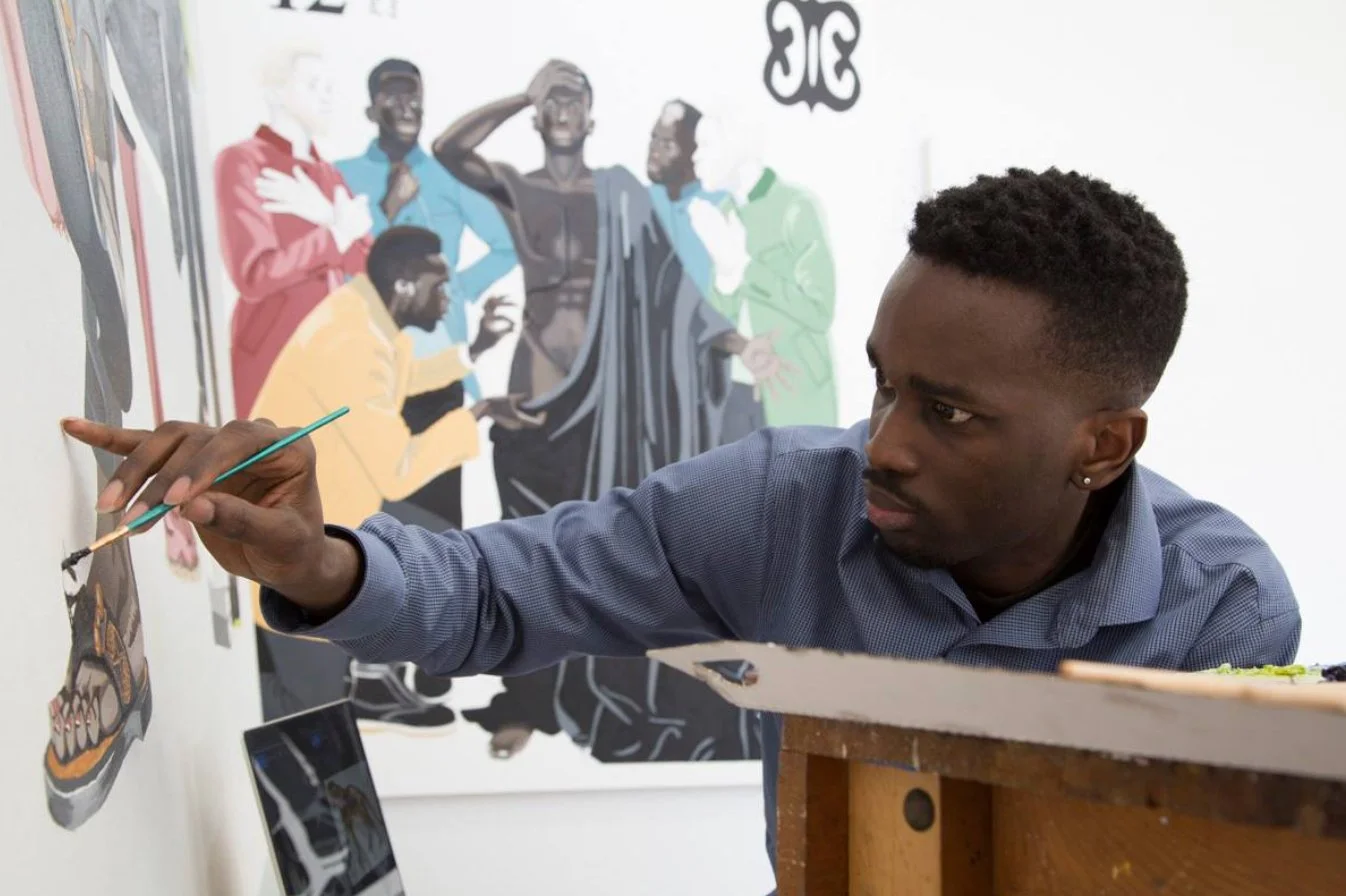
Conrad Egyir's works are strong metaphors drawn from Western culture and philosophy. In recent years his paintings were discovered by Disney, and his work began to be read with different eyes. We present some of his paintings and drawings here, hoping our readers will form their own complicity with the work, uninfluenced by the discourse of experts and media.
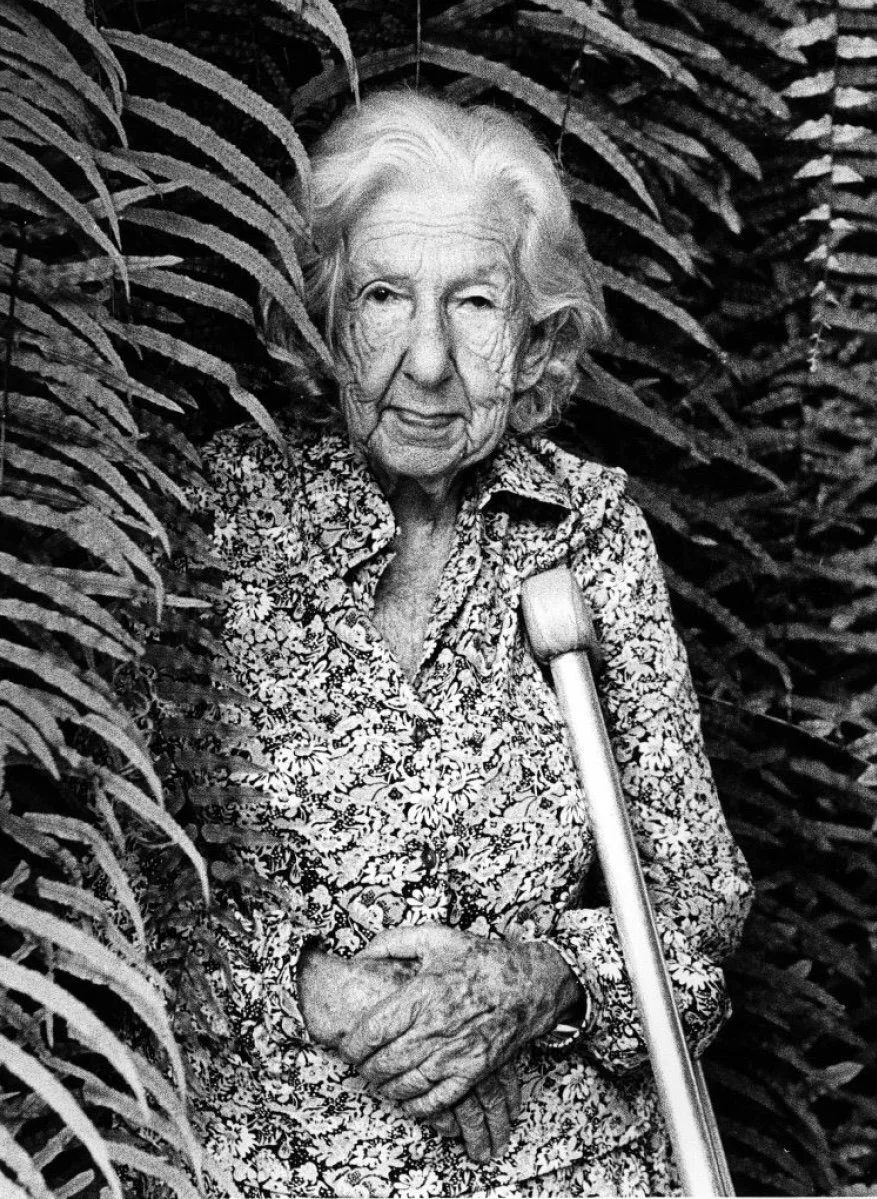
Cora Coralina's writing will probably not be shadowed by others' opinions, since her work is little known in English. Yet in her mother tongue, Portuguese, her work is as known as that of her contemporaries Alfonsina Storni of Argentina and Gabriela Mistral of Chile. I hope English readers will discover her powerful, deceptively simple poetry, so that, in her words, "[we can] put together all the stones that have come down on [us]" and build from them something useful for humanity.
Jana Lulovska's work cannot be introduced in a brief paragraph. This Macedonian artist is a master of interdisciplinarity who transforms different media coherently, from pictorialism to painting, photography, and film, producing unique cultural artifacts that become strong metaphors of reality, touching the female and the human experience.
In a similar spirit, the French-Swiss photographer Émilie Möri takes as her subjects mainly women, focusing on female ataraxia, dreams, and timelessness. Her work immerses the viewer in a sea of calm and reflection. Her images are far from simple, and the way she chooses color, light, props, and posture produces an effect that I, I, can only naïvely call "magical".
Human nature turns to torment in the short feature by Aline Magrez, a young filmmaker and director from Brussels. I came across Aline's work over a year ago, while looking for short films to use in a creative writing class to teach students the inner workings of fiction; she kindly agreed to let me use three of them. The short we feature in this issue, her graduation project, is the result. I trust the viewer, like me, will discover how Aline's film connects with its audience and makes it an accomplice.
This complicity is evident too in the photographic work of Anna Weidle, originally from the Republic of Moldova. Her work is candid and unapologetic, her images marked by honesty, touching on subjects such as menopause and depression while blurring the differences between the sexes.
And the new poetry of Sofia Getoff-Scanlon approaches a range of subjects with an underlying exploration of the self, reminding me that all the ages and stages of life are individual gifts I must accept, while always looking at things at least twice; after all, "even a predator is beautiful until she goes for the throat".
I hope the readers of this issue will take the time to immerse themselves in the worlds these artists and writers portray, and allow themselves to be surprised by the obvious.
Jorge R. G. Sagastume, Editor
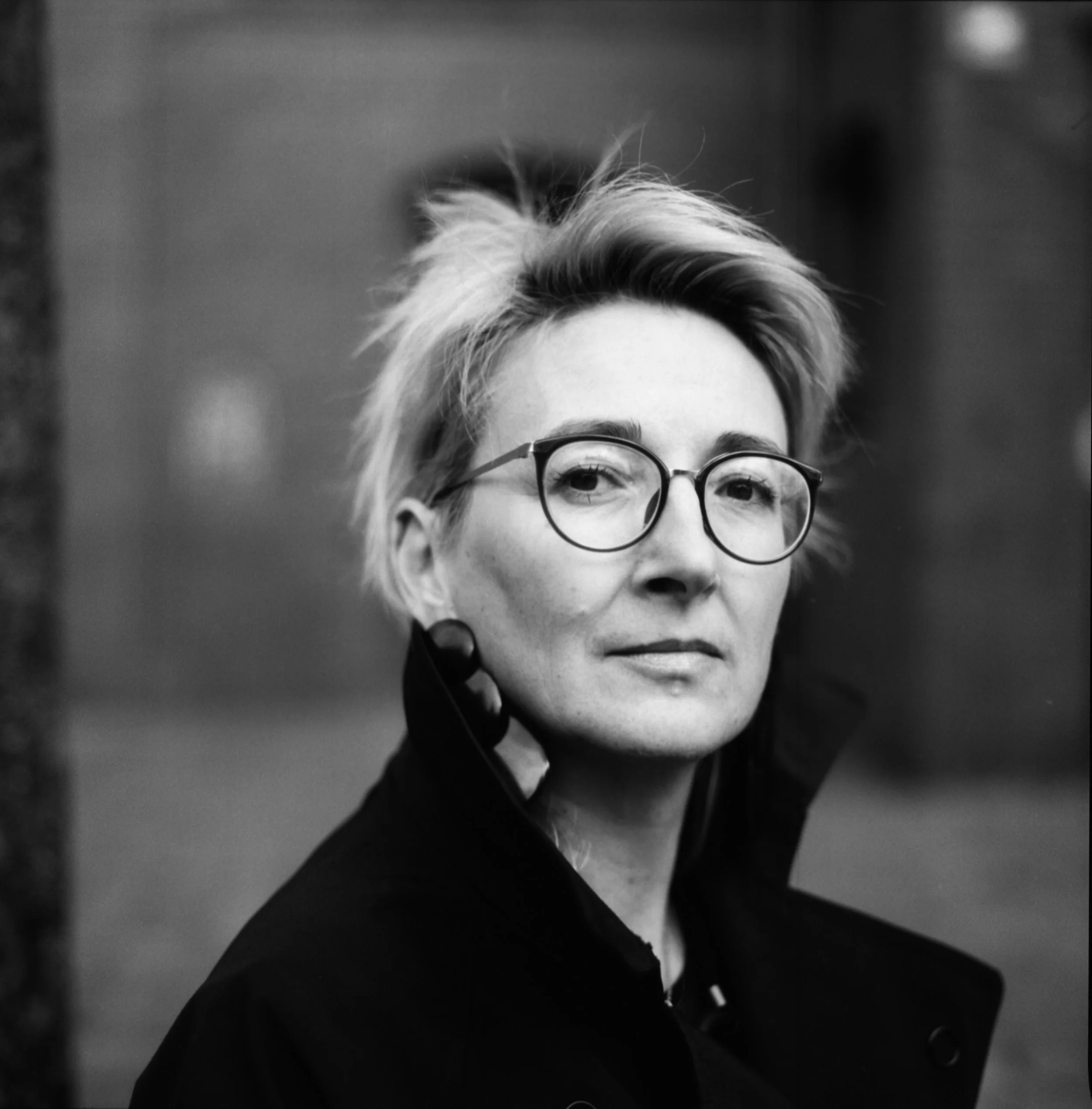
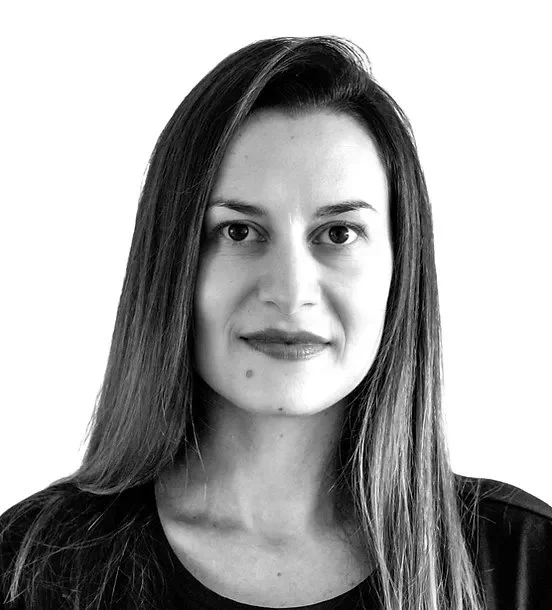
This Issue’s Artists
-
![]()
Aline Magrez
-
![]()
Anna Weidle
-
![]()
Conrad Egyir
-
![]()
Cora Coralina
-
![]()
Émilie Möri
-
![]()
Jana Lulovska
-
![]()
Sofia Getoff-Scanlon