Editorial
On Despotism
There is a verb in Spanish for actions performed upon or by multiple related referents, and most of these actions carry negative connotations or signal some form of suffering. The verb is desterrar, from des-, a negating prefix, and tierra, land or soil: to exile, to expatriate, to confine, to expel, to cast out, to separate, to strip the soil from the roots of a plant. Its English equivalent is no less powerful: to banish.
Must one be sent away from one's land, willingly or not, to feel desterrado, banished? Not necessarily, and not only in some distant past. One may never leave one's country or city and still feel this way. All it takes is to differ from those who set the order of things. It has always been so, under "justified despotism", even "ethical despotism", the kind that benefits the most.
Art, literature, and music serve many purposes; exposing despotism and injustice, and questioning reality and identity, which is itself a way of answering despotic ideologies, are among them. Yet few see the arts this way. More often they are taken as a collectible, an entertainment, or food for the critic, all well and good, rather than as a medium through which we learn by metaphor.
For their views, the artists in this issue of The Pasticheur might themselves be counted desterrados. Each, in a different way, raises these and other pertinent questions, denouncing despotic stances and inviting us into a dialogue that reaches across difference.
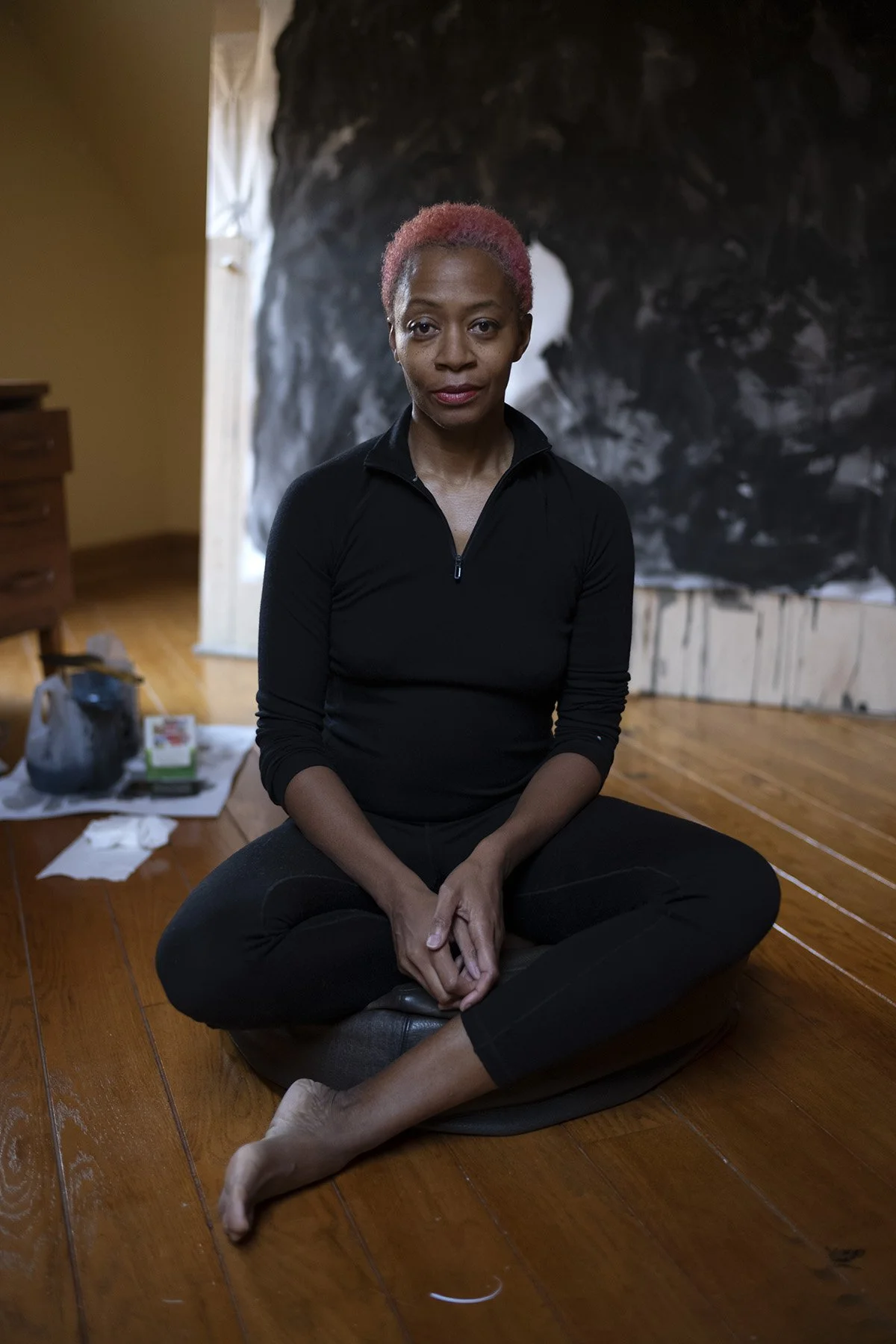
Kara Walker and Thomas Lamb need no introduction; they are well-known artists who pose very different questions. Kara's work touches on identity, race, gender, sexuality, and violence, particularly across U.S. history, and is marked by an unapologetic frankness. Thomas's work focuses on the environment and how we perceive it over time, putting into question the existence and nature of Reality, with a capital R.
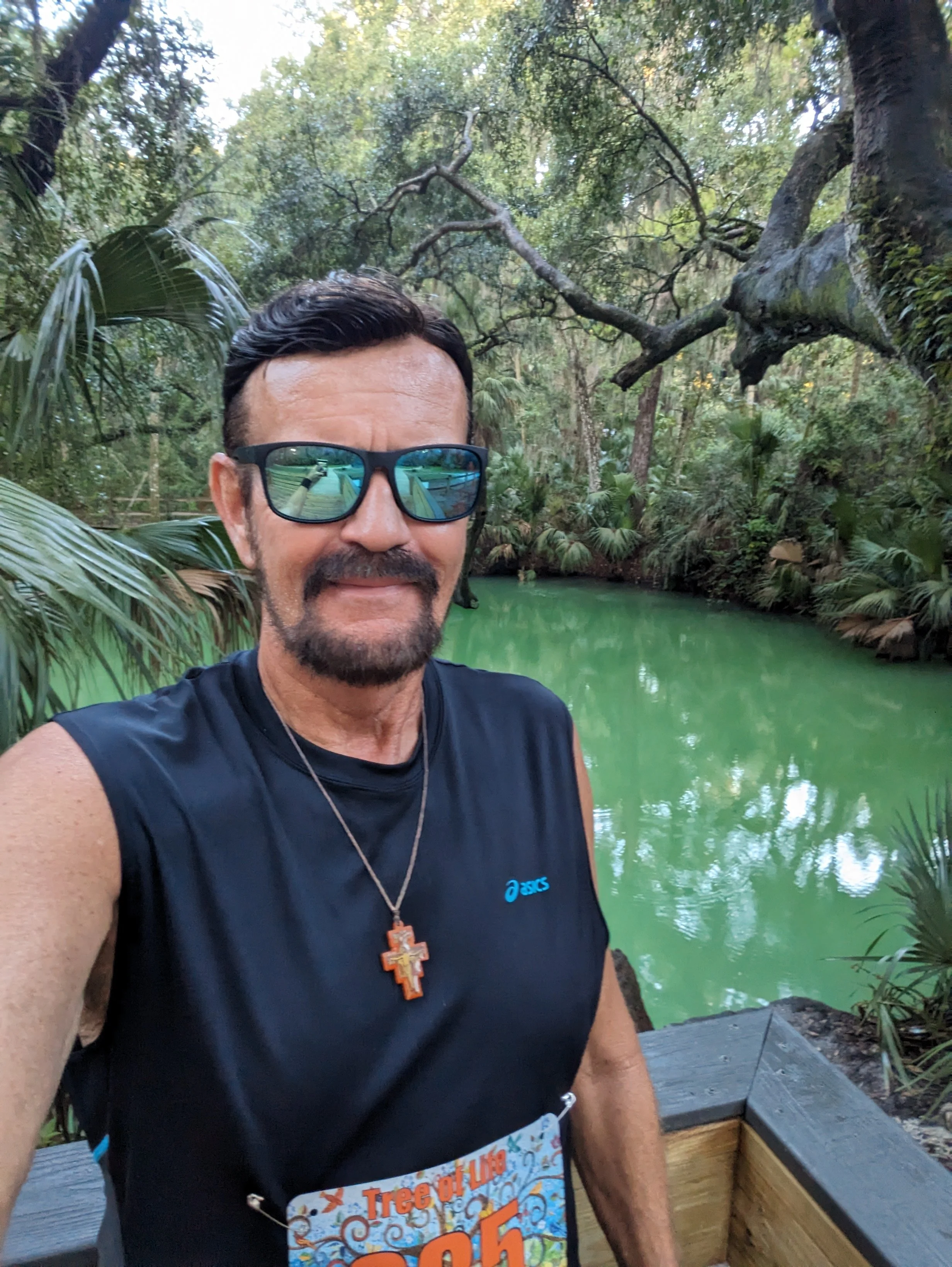
The poetry of Carl Scharwath denounces, among other things, the "echoes of indifference, icy and paralyzing" of the modern city, and, as a seeker of truth, tries to find a home in the essence of "forever searching for a meaning". Yet neither truth nor meaning is ever found; it is made.
Two writers published here for the first time crown this issue: Tiara McKinney and Mary Stanley, two desterradas, the former from the Bahamas, the latter from Tennessee, both now living in central Pennsylvania.
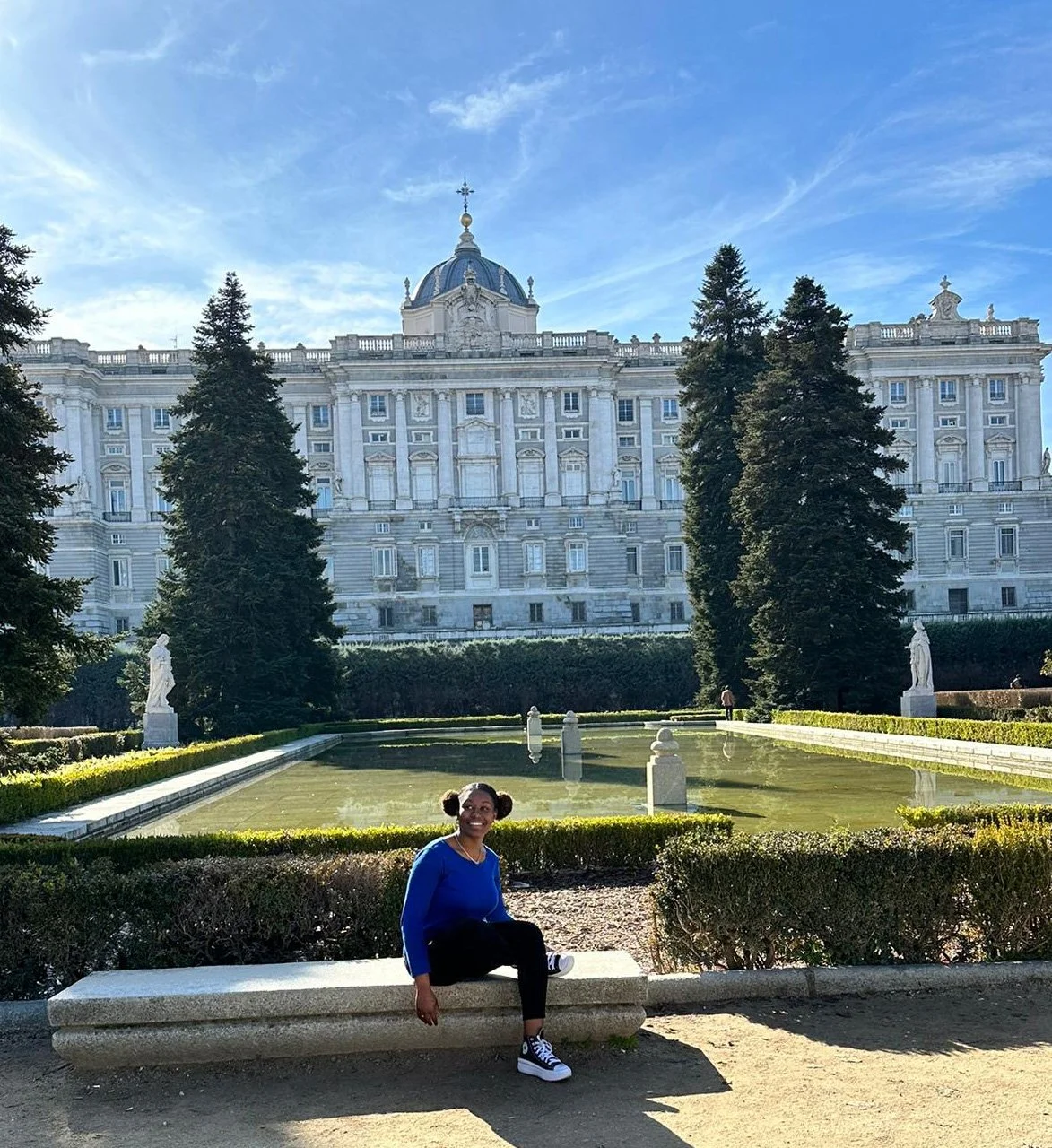
Tiara's writing is marked by honesty and vivid description that make the reader feel present. She wonders who she is, who anyone is, in the frigid temperatures of Carlisle, where both the white snow and the white faces regard her with question, while her words lay bare a struggle between different worlds.
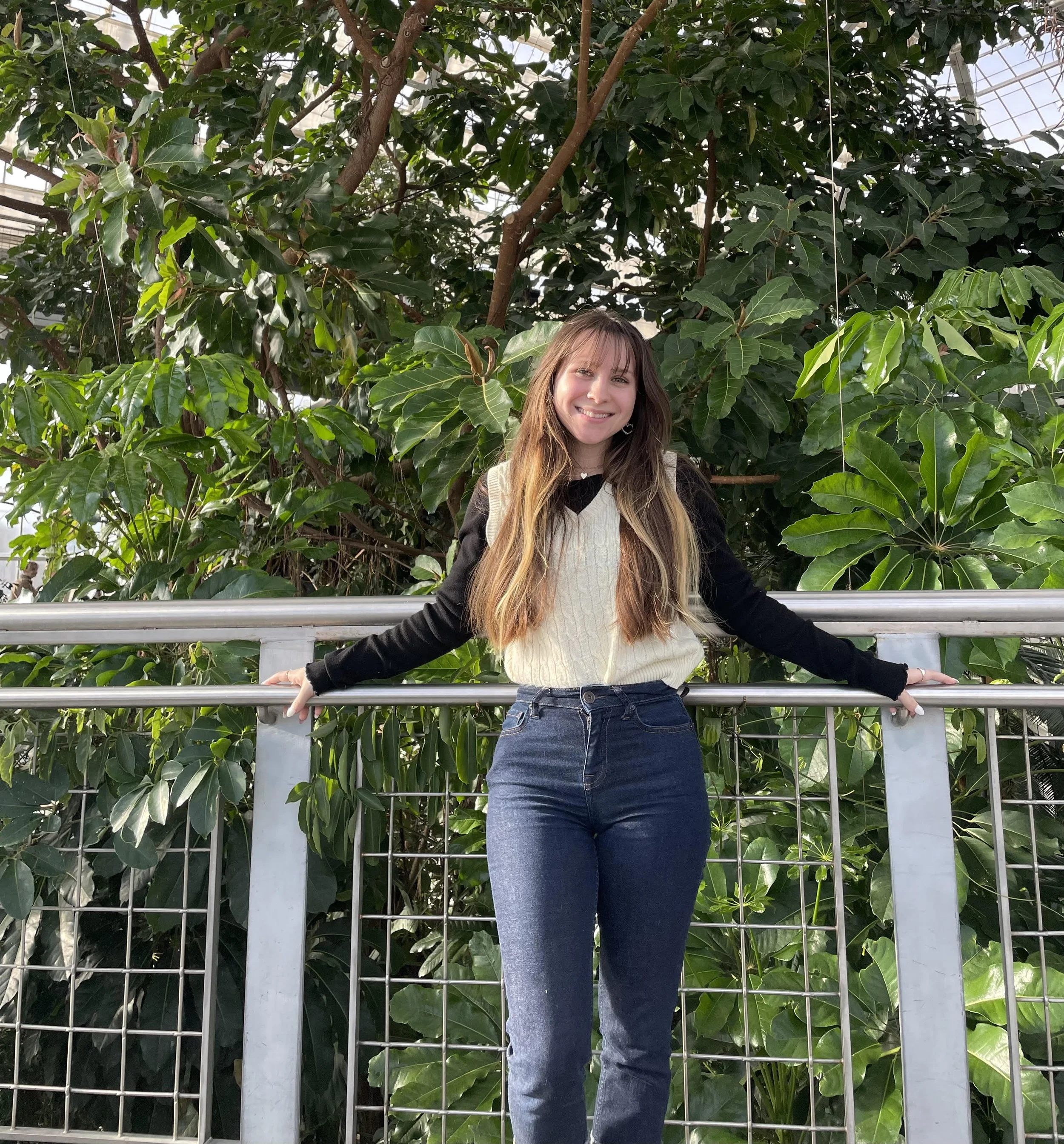
Mary's writing touches on the self, on how our roots fundamentally shape who we are, and on how exposure to different texts opens an endless dialogue in search of understanding, and of acceptance of how one changes. Her writing is rich in powerful imagery, and it teaches me to see the universe differently.
It is a pleasure and an honor to have these artists as contributors. I hope our desterrado and desterrada subscribers will find a home in these paintings, drawings, and writings, and will learn, as I have, through their metaphors.
Jorge R. G. Sagastume, Editor
© Melody Tuttle
This Issue’s Artists
-
![]()
Kara Walker
-
![]()
Thomas Lamb
-
![]()
Tiara McKinney
-
![]()
Carl Scharwath
-
![]()
Mary Stanley