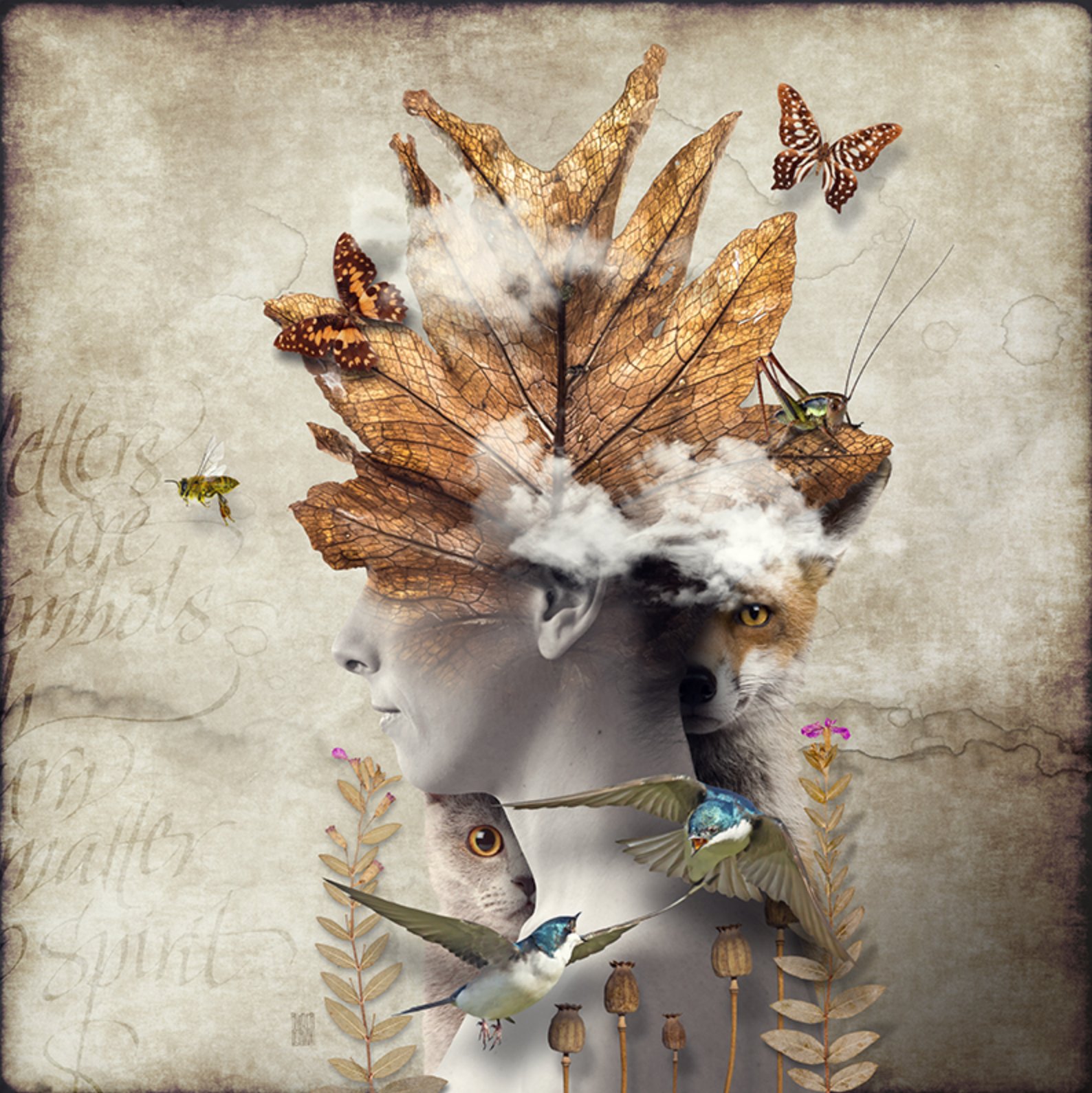
Editorial
On Imitation and Anticipation
With this issue, The Pasticheur begins its official third year. I did not plan this; in a way, the artists did. What began a few years ago as an Adobe portfolio for a Writing in the Discipline course, and later a creative writing class, took on a life of its own. At some point an artist asked about submission guidelines. There are none, I replied; this is not a journal. Yet as more inquiries followed, I began to think: why not?
What started as a teaching tool has grown into a more official one. At their core, journals are just that, tools for teaching and discovery.
In the classroom I use what is published here, among other sources, to guide students. I do not teach them lessons about life or about themselves, nor try to mold them into academics prone to generalization. I help them become astute readers of craft. The goal is not merely to interpret but to learn how to create.
Since its inception we have been fortunate to feature renowned, emerging, and lesser-known artists from across the globe. These contributors offer their work knowing that the statements they make about reality will be interpreted, misinterpreted, and transformed in the minds of others. Unlike critics, Jeanette Winterson reminds us, artists are not "fence sitters". They do not imitate reality, they anticipate it.
In this first issue of 2025, we showcase works that embody this spirit. Robert Ballen, through his "documentary fiction", unveils metaphors of the human psyche; yet beyond the abstract I see the tangible, the joys and trials of his creative process. Gabriella Garofalo's poetry teaches me that sin tastes sour, that "lovely neighbours, yes, sometimes they bite", and that even hope has its demise. Joy Kloman emerges as a true pasticheur, weaving poetry, fiction, photography, and painting into a dialogue with time itself, a blend of joy and struggle. And Lisa DeLoria Weinblatt's School Lunch series reflects her experience in settings foreign to mine, the U.S. and the U.K., yet universally resonant; her work invites me to share the emotion in each brushstroke.
Of course, the paragraph above reads like the work of a critic, full of abstractions and generalizations. Yet, in defense of criticism, it is also the work of thought. "To think is to ignore, or forget, differences, to generalize, to abstract", says the narrator of "Funes, His Memory". Every work of art needs its critic, a "fence sitter" who abstracts just enough to guide readers toward the immediacy of seeing, interpreting, and even misinterpreting the artist's intent. Trust me, I'm telling you stories.
Jorge R. G. Sagastume, Editor
This Issue’s Contributors


