The Body Before Its Name
You look, and something has already happened.
Not recognition. Not yet. Something earlier. A slight shift in the way the image meets you. You are no longer simply looking at it. You are already inside its effect.
Only afterward does thought begin to gather.
Julia Wimmerlin's work unfolds in that interval. Not in what the image shows, nor in what it might mean, but in the moment before either becomes stable. A moment that doesn't lack clarity, but precedes it. The body encounters the image before the mind arranges it. Something registers, though it can't yet be named.
This is where her photographs live.
They don't present a world so much as allow one to form. Forms appear, but don't settle. Figures emerge, but remain just beyond possession. Color doesn't describe; it presses. Light doesn't reveal; it moves across the surface of things, touching and leaving at once. What we are given is not an image to read, but a condition to inhabit.
In Nymphs 2.0, the body arrives and slips away at the same time. The long history of looking is still present, but it no longer finds a surface that will hold it. Edges soften. Identity loosens. The figure remains, but not as something available. It is there, and not fully there. What appears is not the body as object, but the body as presence: something that can't be fixed without being diminished.
Across the works gathered here, this movement continues. In Imagined Beginning, the body becomes gesture, something that repeats across time. Not a single origin, but the persistence of beginning. To exist is not to have started once, but to return, again and again, to the act of appearing.
In Reverie, perception itself begins to shift. What is seen is no longer bound to what was there. Memory enters, and with it, a quiet transformation. The world loosens. Not into abstraction, but into something more interior, more unstable, more alive. These images don't describe places. They hold what remains when experience passes through them.
Even in the works that engage directly with questions of identity, the image doesn't resolve into explanation. It carries tension without closing it. What matters is not only what is understood, but what is felt in that instability.
There is, throughout, a kind of patience.
Nothing is rushed into clarity. Nothing is fully secured. The image doesn't move quickly toward meaning. It stays where perception is still forming, where experience hasn't yet hardened into certainty.
This is not ambiguity. It is a way of staying with what is not yet finished.
Because the world, as lived, doesn't arrive complete. It comes in fragments, in sensations, in partial recognitions. We are already within it before we understand it.
Wimmerlin's work returns us to that condition.
And if we remain there, even briefly, something begins to shift. The distance we usually keep from what we see softens. What seemed separate draws closer: not enough to be explained, but enough to be felt.
The Editor
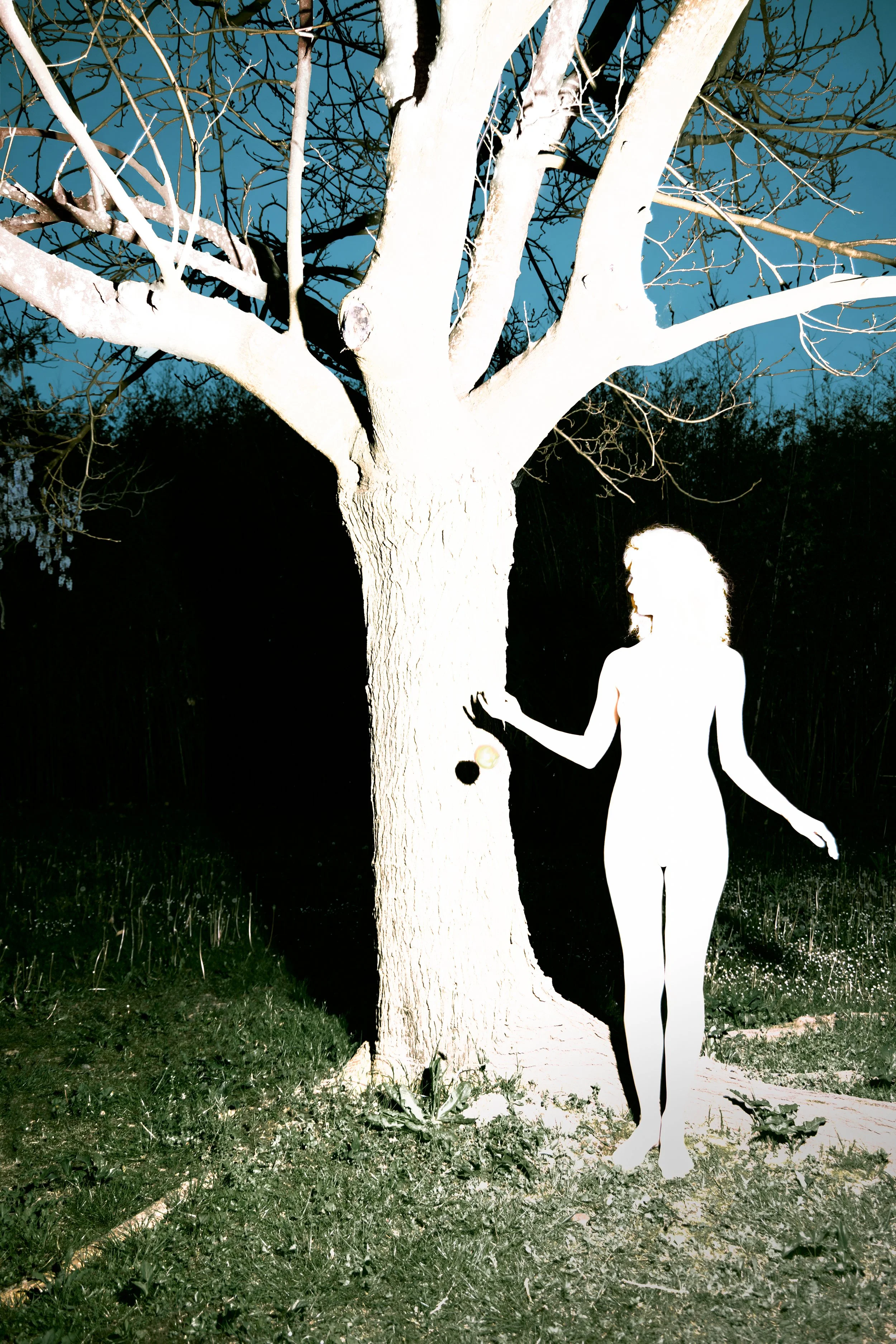
Freefalling 1
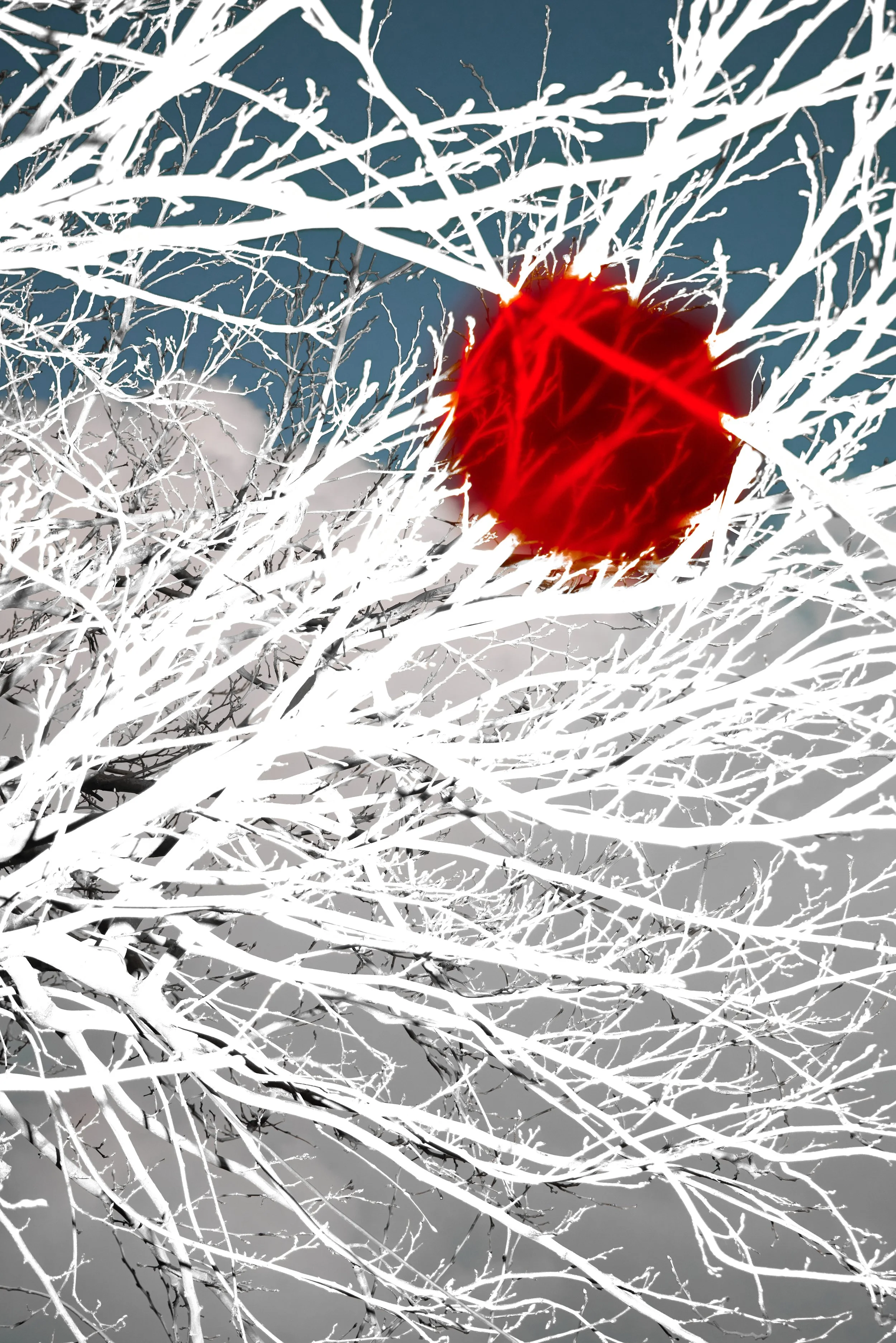
Freefalling 2
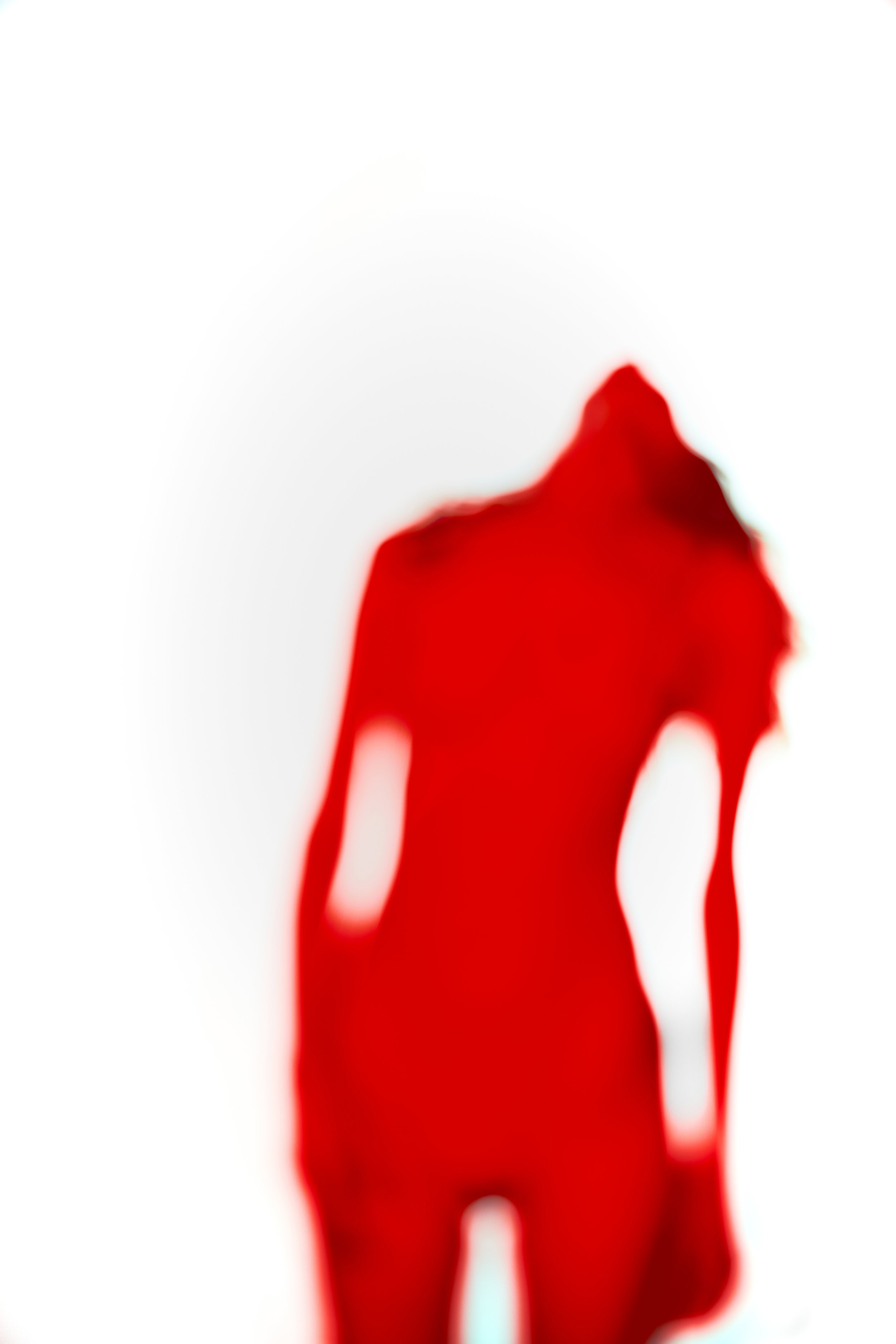
Freefalling 3
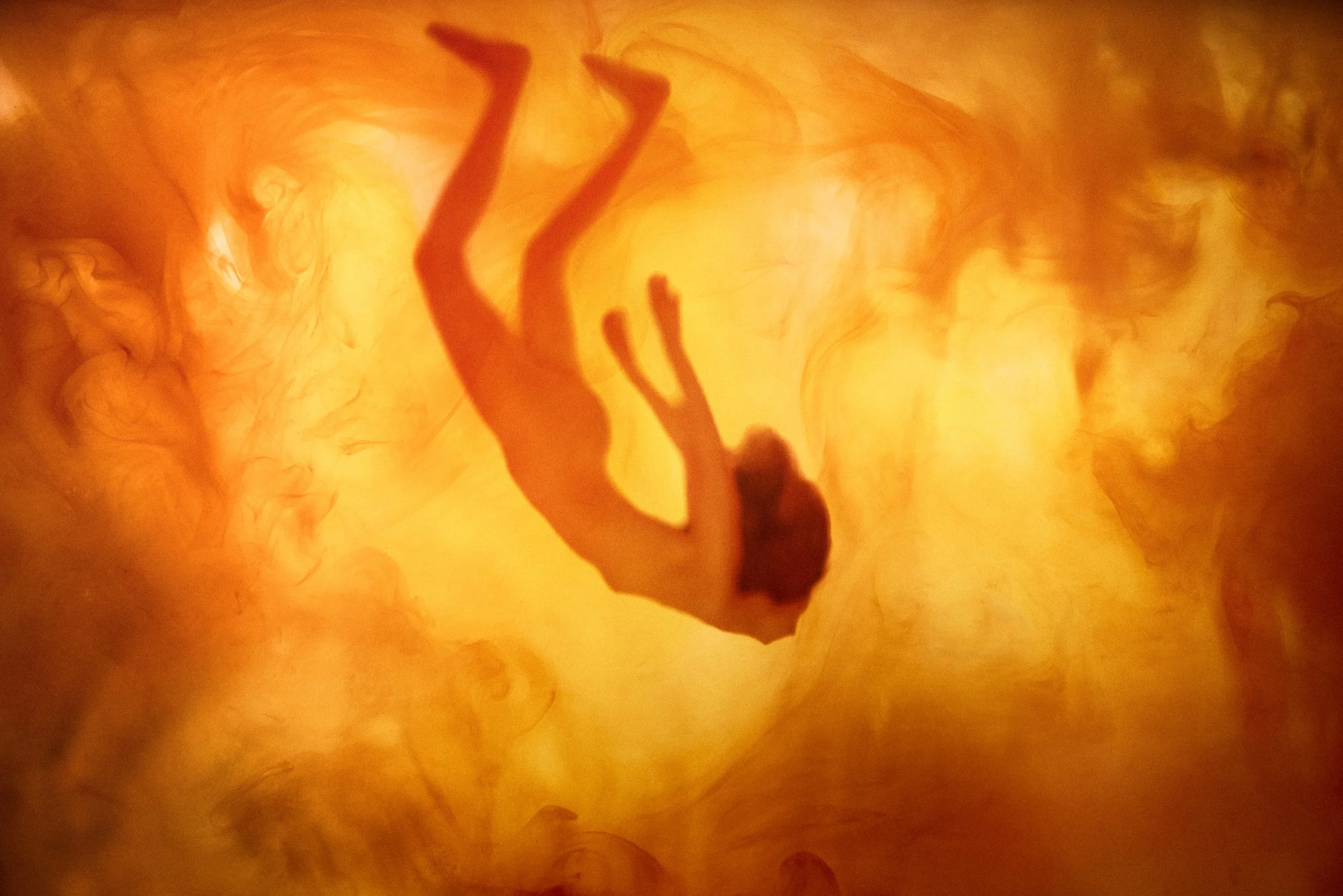
Imagined Beginning Orange
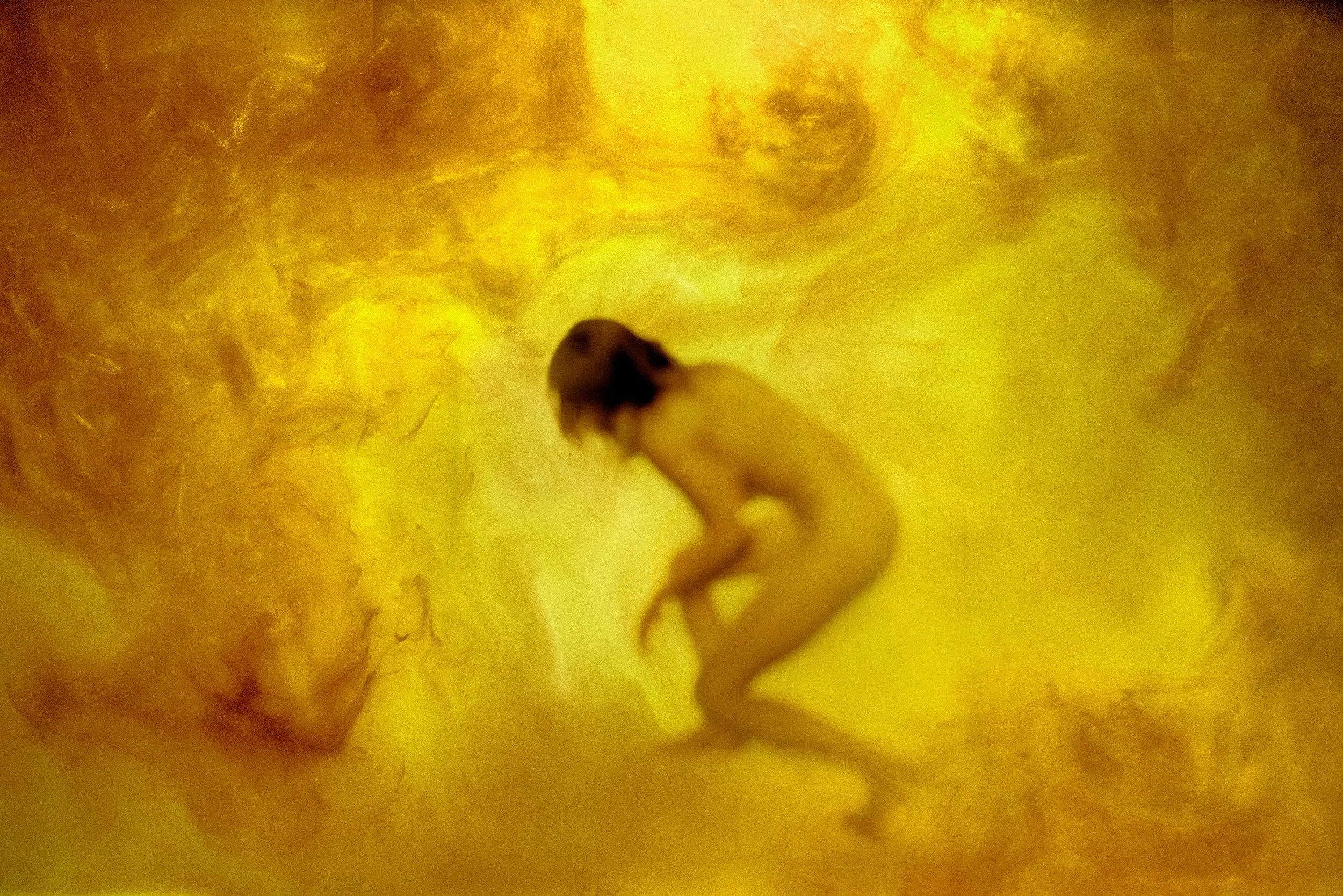
Imagined Beginning Yellow
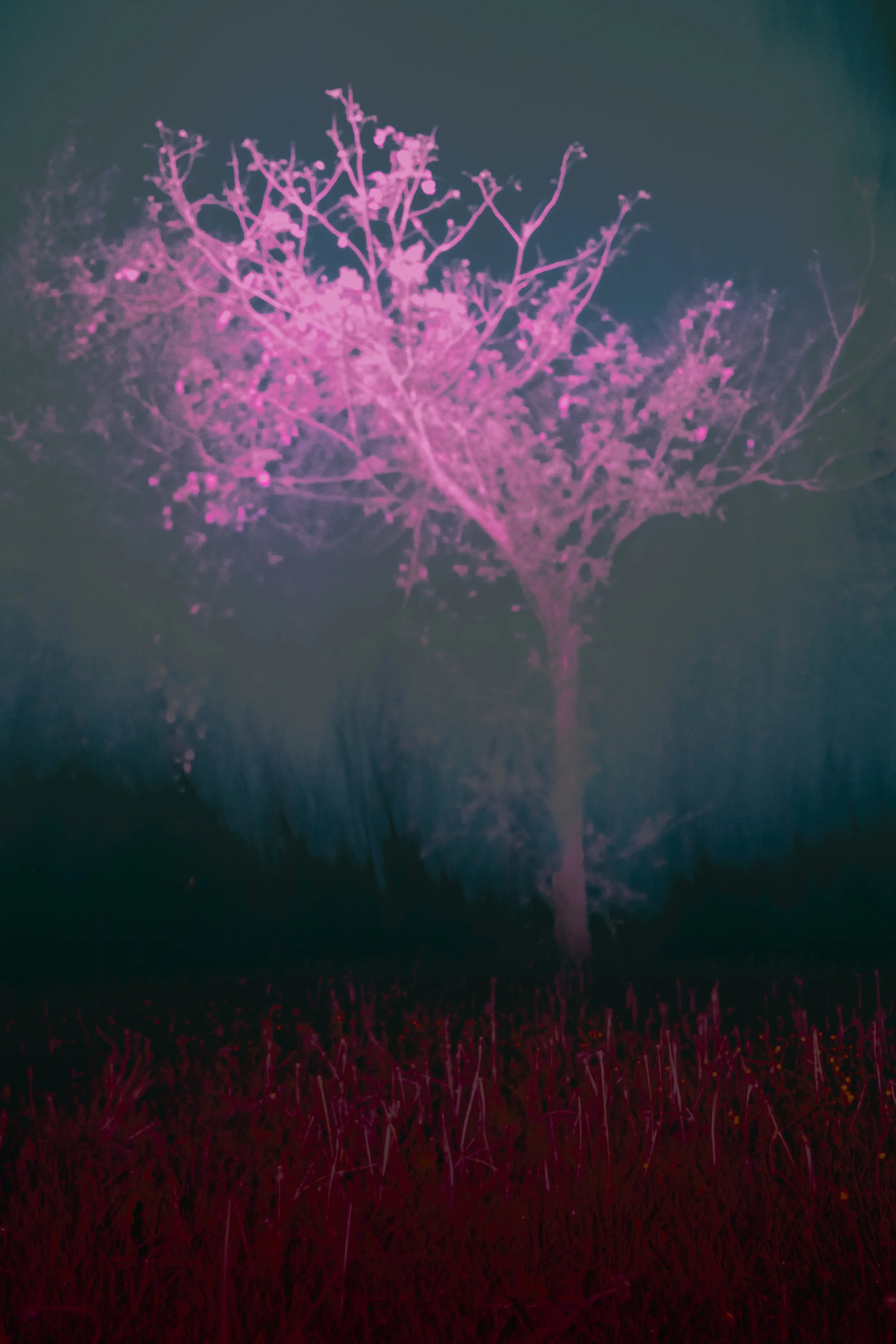
Nature study 12
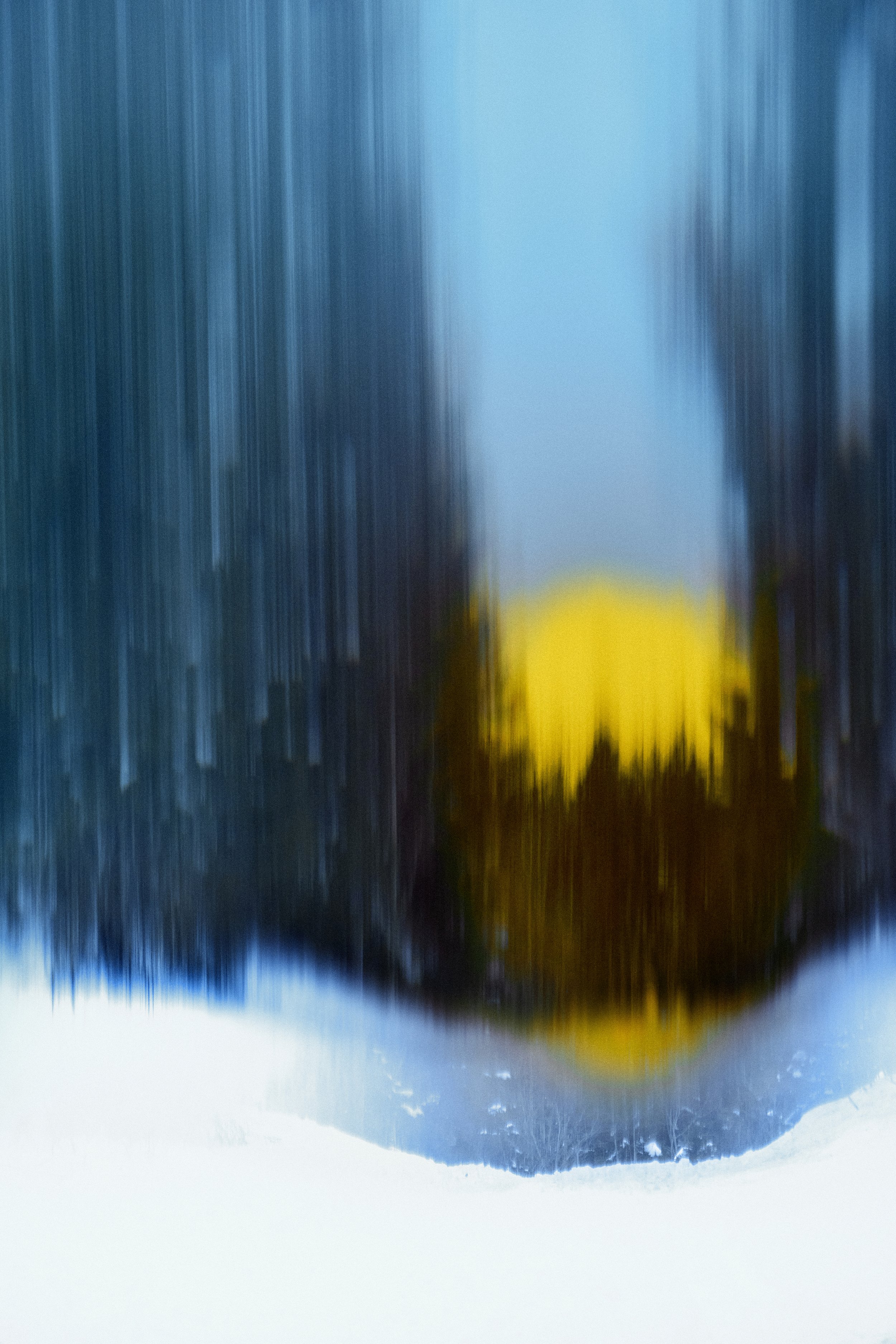
Nature study 13
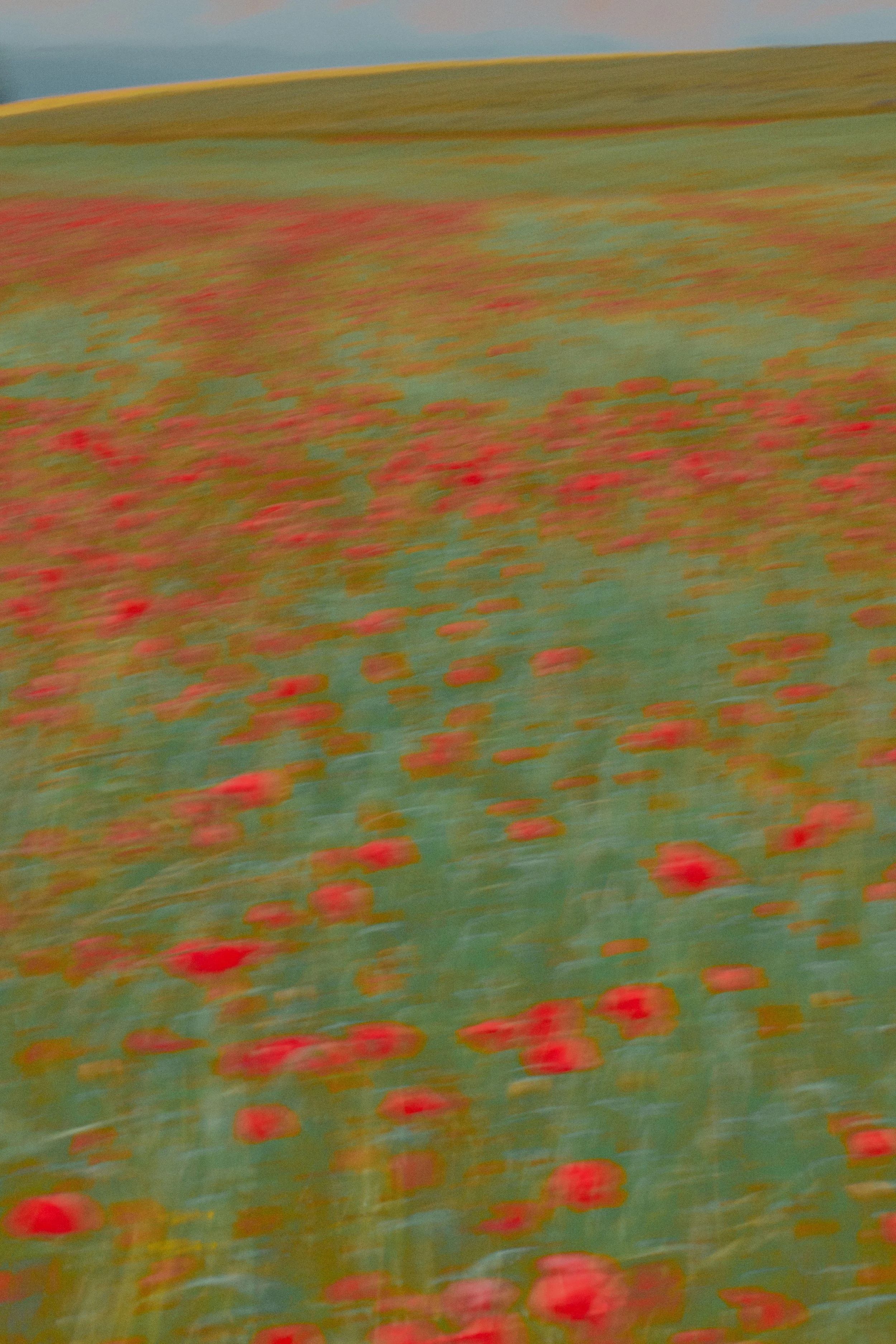
Pastoral 11
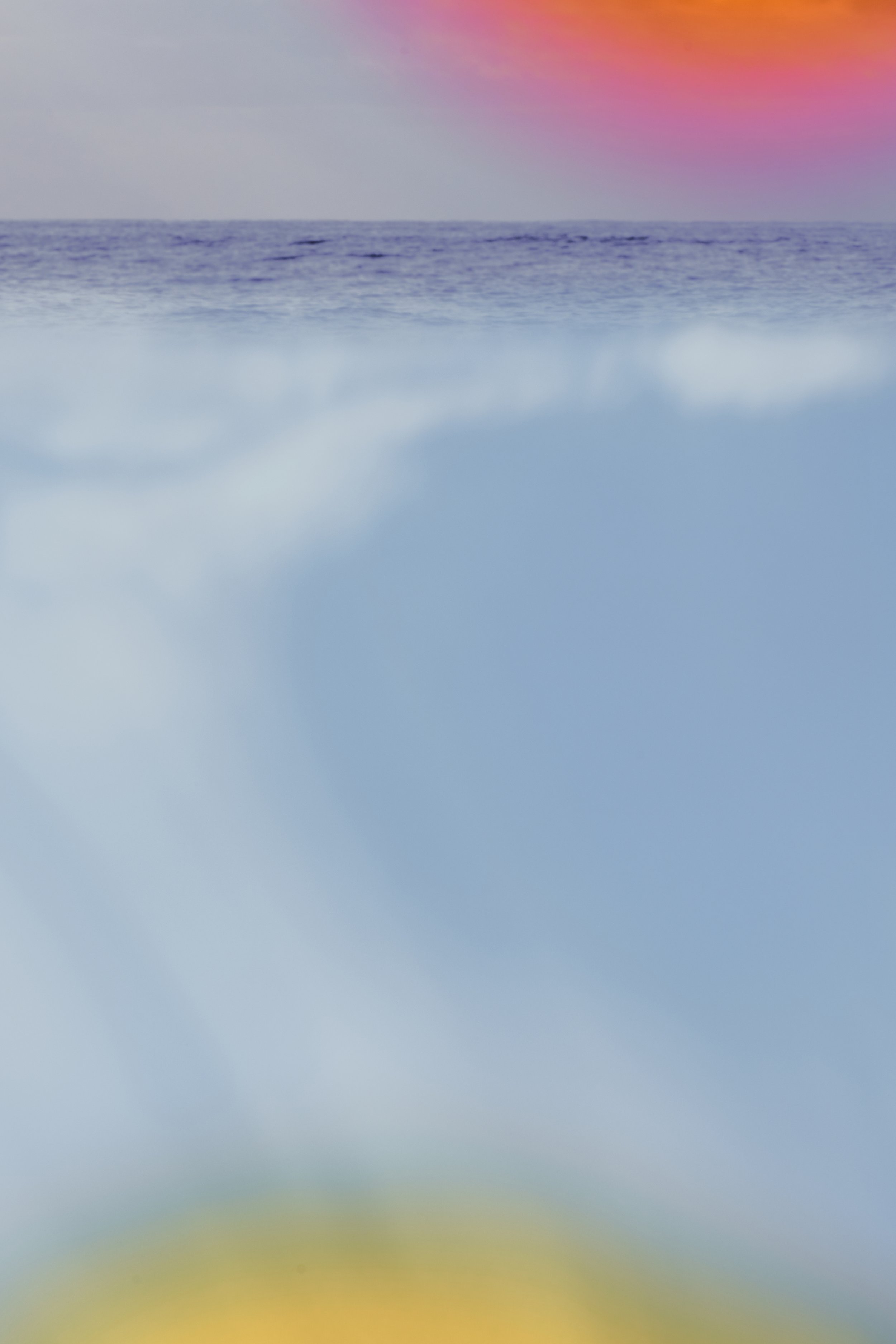
Reverie 7
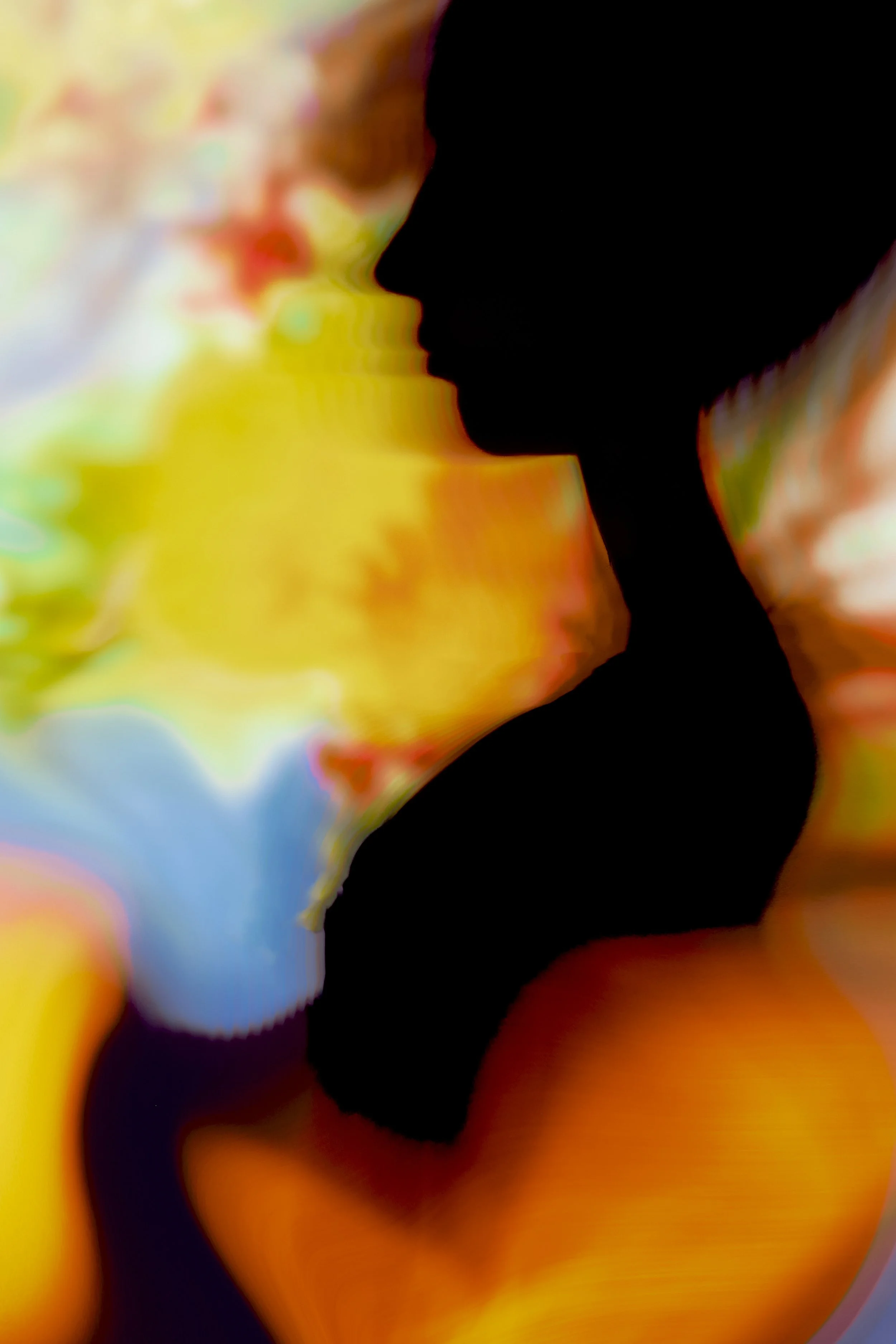
Reverie 11
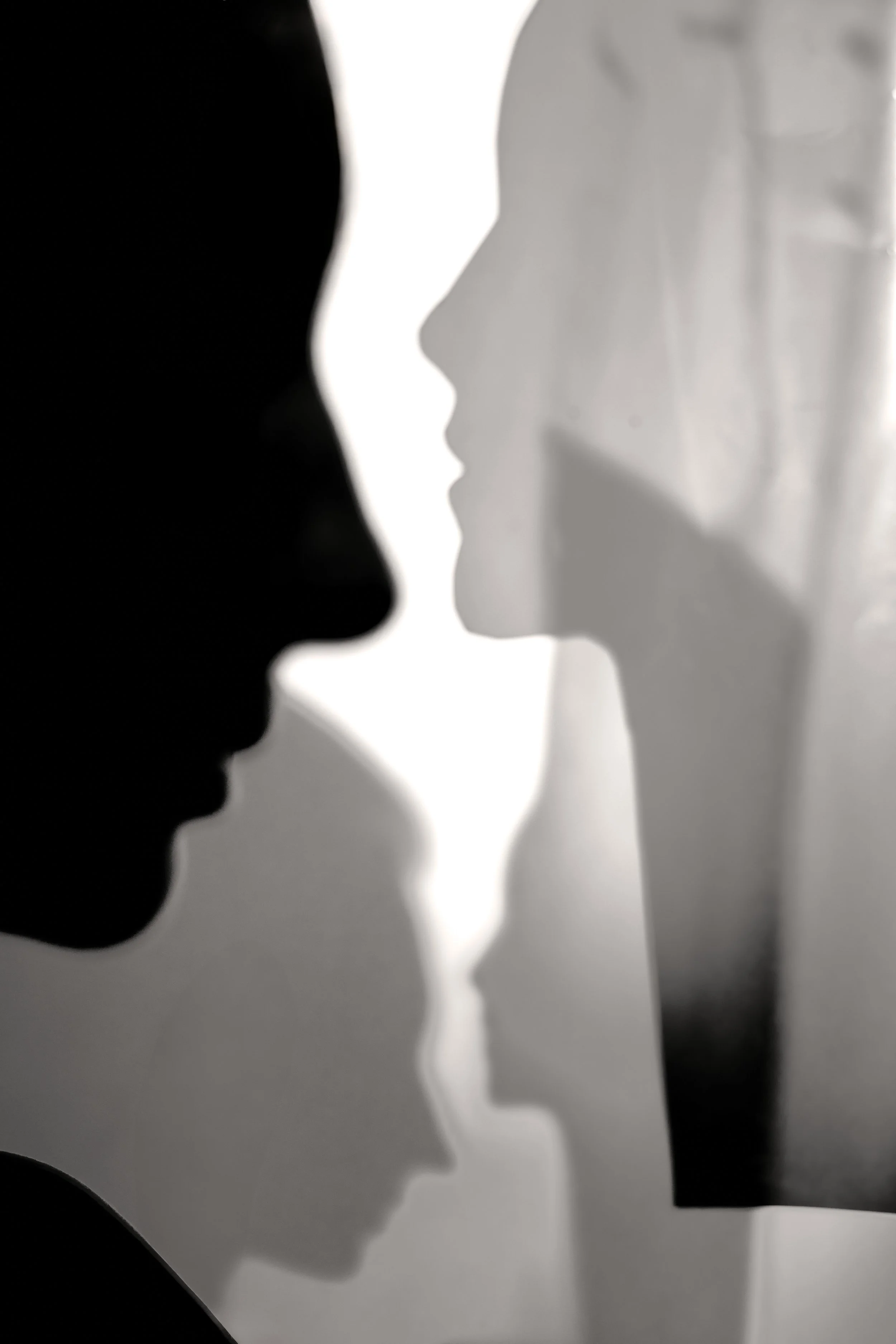
Reverie 15
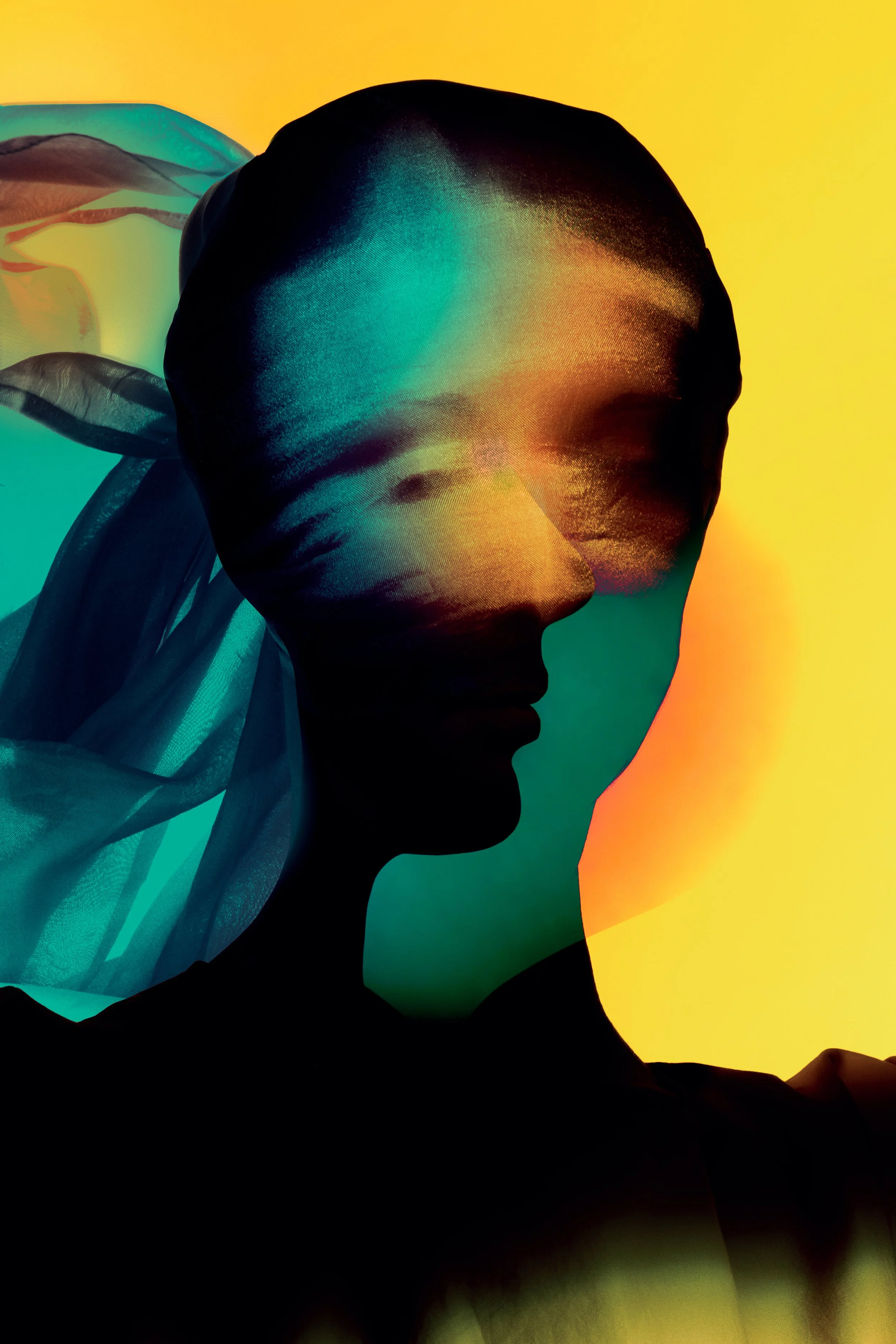
Subconscious Venus 3
© All Works by Julia Wimmerlin
Artists & Writers in This Issue
In alphabetical order by the first name
