Editor's Note
Daydream unfolds as a procession of selves moving through landscapes that feel both exterior and interior, as if the world around the figures were an extension of their thoughts. Pupa Neumann stages each scene with a careful tension between stillness and performance. Color, gesture, and repetition begin to function like a private alphabet, a system of signs that reveals the instability of the single self.
The figures return in multiples, echoing one another, bending toward poses that appear both theatrical and involuntary. Their clothing, vivid and symbolic, recalls archetype and fairy tale and the long history of women shaped by the roles they are asked to play. In one image a nose lengthens into fiction. In another the subject hangs beside empty dresses, caught between presence and disappearance. These women are not characters. They are marks on a shifting map of identity.
Neumann’s work turns the mirror into an instrument of estrangement. What reflects back is not the self as we know it but the self as it fractures, divides, and watches itself from a slight distance. The images carry a faint echo of Borges’s meditation on the double, that quiet recognition that one life can contain several ways of being, each one slightly out of step with the others.
The landscape is an active partner. Fields, roads, and geometric farmyards impose their own order, suggesting that identity is never formed in isolation but within grids of expectation. The repetition of figures hints at mechanical reproduction, yet every repetition is imperfect, a reminder that even our most rehearsed selves shift from one moment to the next.
There is a thread of humor here, and a thread of resistance. Neumann uses dream logic not to escape reality but to expose it. The images reveal the choreography beneath conformity, showing how identity is often stitched together from borrowed signals, familiar poses, and the quiet pressure of social scripts.
Daydream invites the viewer into a space where meaning remains open. These works ask for attention rather than interpretation, for presence rather than certainty. Like dreams, they withhold resolution. They offer instead the unsettled beauty of watching the self transform in real time.
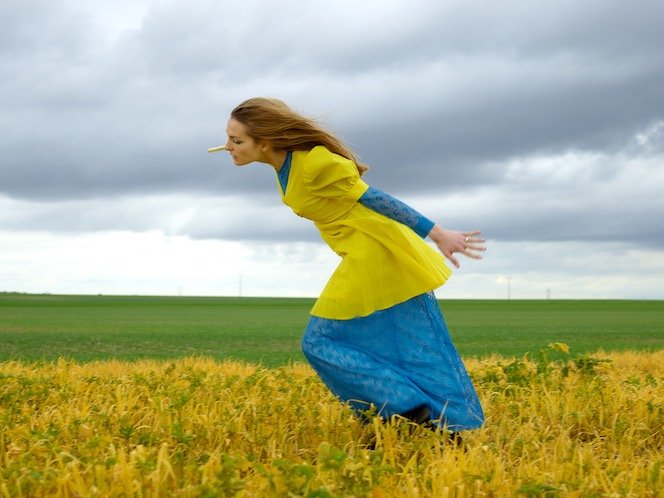
© Pupa Neumann, Daydream
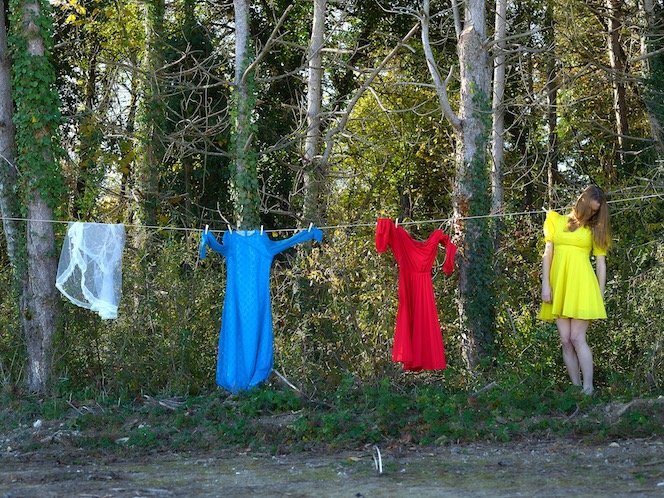
© Pupa Neumann, Daydream
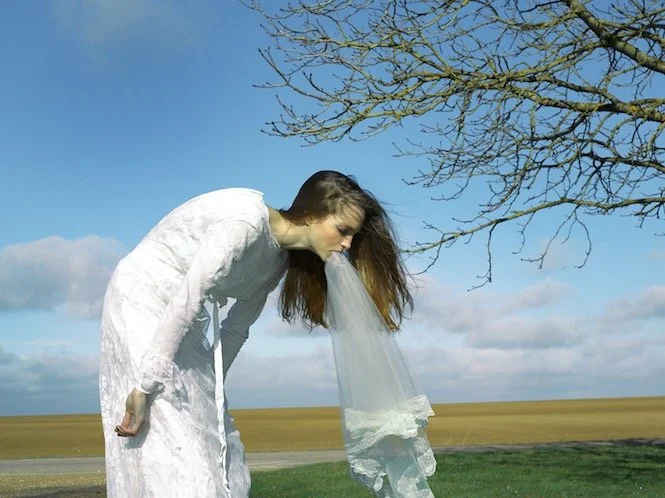
© Pupa Neumann, Daydream
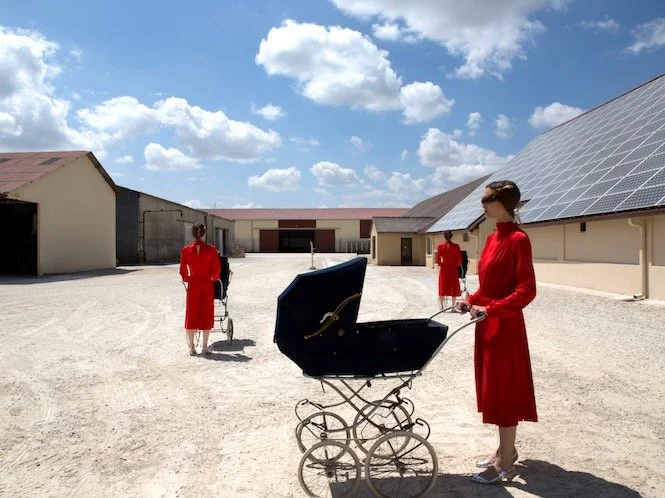
© Pupa Neumann, Daydream
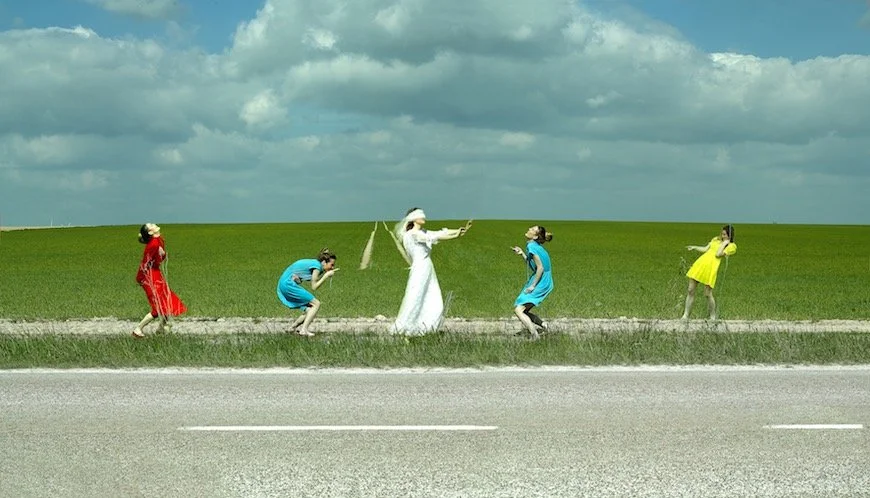
© Pupa Neumann, Daydream
