Editor’s Note
In Misfits, Pupa Neumann sets her figures against an expanse of white so absolute it becomes its own character. The void is not background. It is verdict. It swallows scale, narrative, and coherence until the human presence looks provisional, almost accidental. These are not portraits. They are hypotheses about what remains of a self once its coordinates have been erased.
Each body appears small, estranged, and engaged in gestures that drift between ritual and parody. A woman in a bridal veil leans toward an inflatable doll as if performing a sacrament without faith. Another bends into a filing cabinet, searching for a category that never existed. Two nude figures wear the faces of cultural idols, their poses suspended between mimicry and malfunction. Here, performance exposes its own absurdity.
The whiteness around them is not purity. It is refusal. It denies context, explanation, and the comfort of narrative. It renders each figure hyper-visible yet unreadable, a contradiction that mirrors the experience of those who do not fit the templates offered to them. The space becomes a kind of epistemic pressure chamber, a site where meaning disintegrates and the body remains as the last form of testimony.
Neumann draws from the vocabularies of theater, fashion, pornography, and devotion, but she uses them only to reveal the exhaustion of their scripts. The gestures are familiar enough to recognize yet emptied of their original charge. They become stutters in the grammar of identity, tiny rebellions disguised as repetitions.
Humor appears, but as a thin crack, not a release. It is the comedy of systems breaking down, of roles that no longer persuade even the performers. These misfits are not victims of their scenes. They are the witnesses who show us how brittle our expectations have become.
In this series, misfitting is not a flaw of the subject. It is the failure of the categories meant to contain her. The works expose the violence of classification, the loneliness of being seen only through lenses that diminish.
Misfits is not a story of exclusion. It is an act of disruption. A quiet, lucid insistence that much of what we take for natural is only habit. That much of what we take for whole is only mask. And that the space where one does not fit is often the first place where truth becomes possible.
Jorge R. G. Sagastume
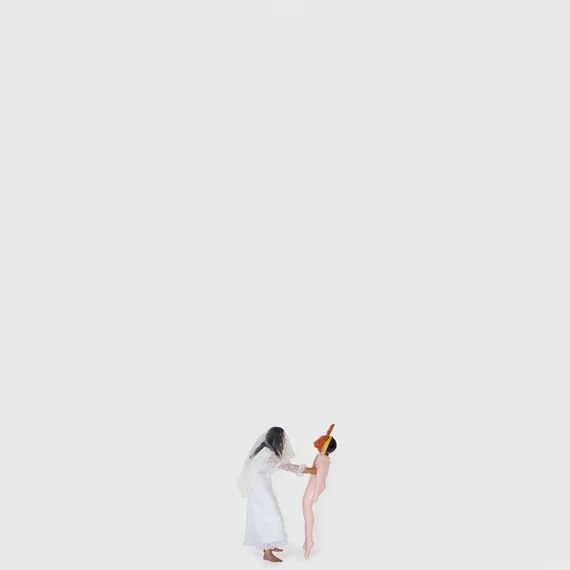
© Pupa Neumann, Misfits
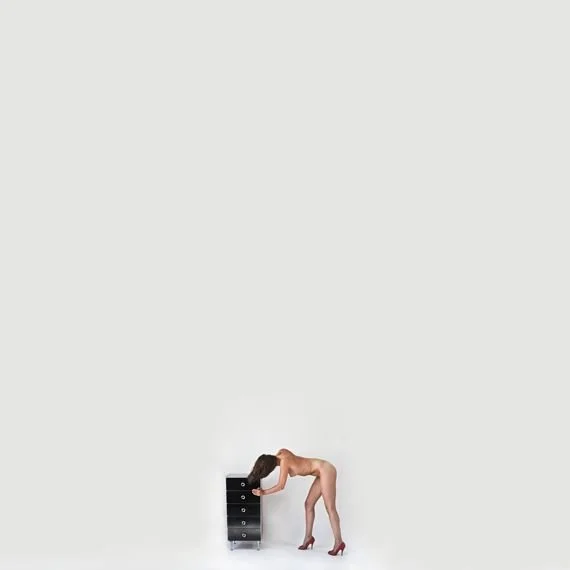
© Pupa Neumann, Misfits
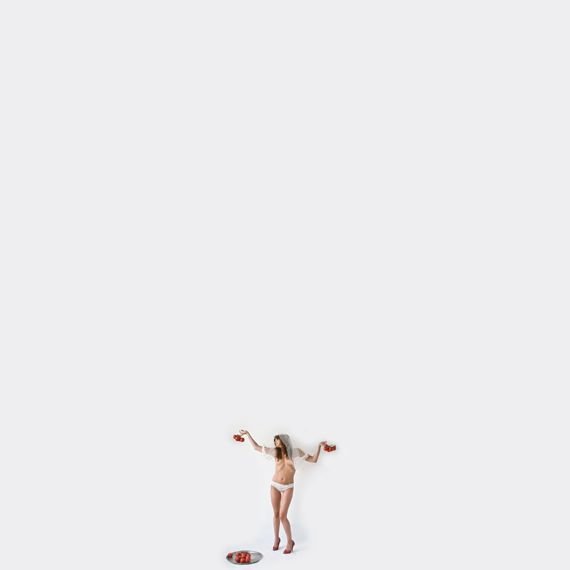
© Pupa Neumann, Misfits
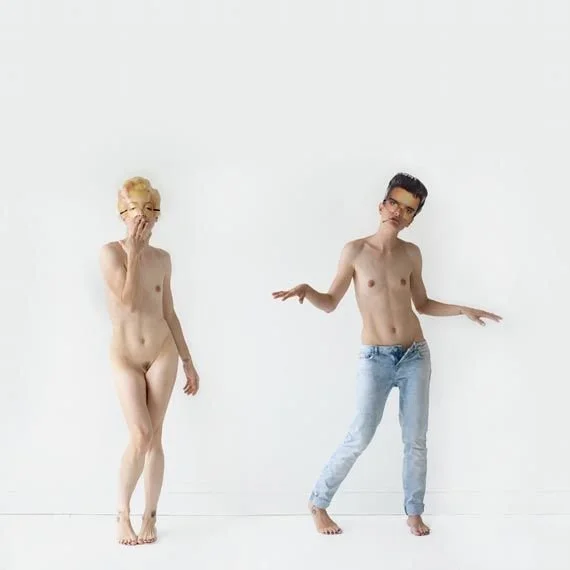
© Pupa Neumann, Misfits
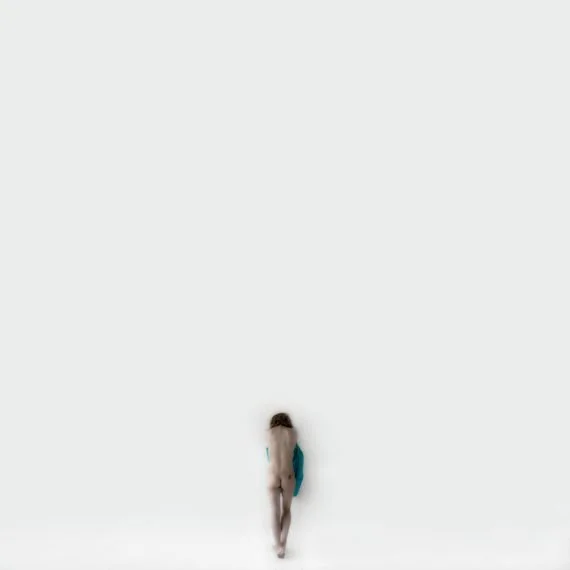
© Pupa Neumann, Misfits
